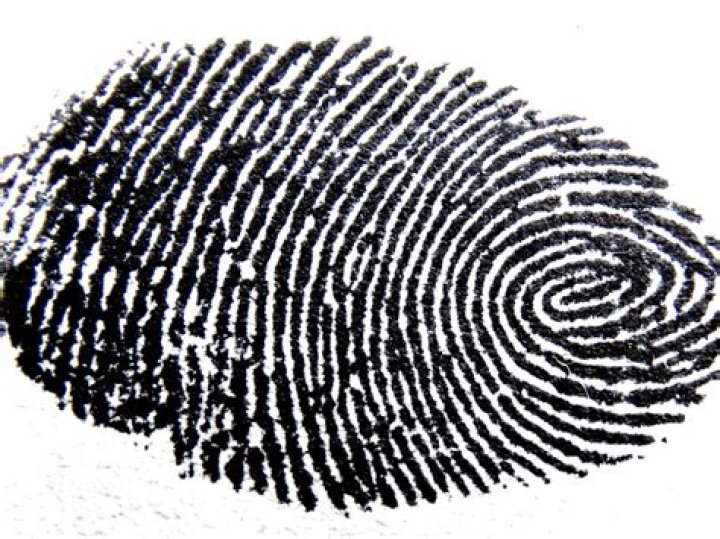
Edward Henry (1850-1931) was a British police officer and criminologist who developed the Henry Classification System, a method of classifying fingerprints. He also served as the first Commissioner of Police of the Metropolitan Police Service in London. Henry's work was instrumental in the development of modern fingerprinting and criminal identification techniques.
The Henry Classification System is based on the patterns of ridges and whorls on fingerprints. Henry divided fingerprints into five main types: arches, loops, whorls, composites, and accidentals. He then developed a system for classifying fingerprints based on these patterns, as well as on the presence or absence of certain features, such as deltas and cores. The Henry Classification System is still used today by law enforcement agencies around the world.
Henry's work on fingerprinting and criminal identification was groundbreaking. He developed a system that was both accurate and efficient, and that could be used to identify criminals even if they had no other identifying information. Henry's work helped to revolutionize the field of criminal investigation, and it continues to be used today.
Edward Henry
Edward Henry (1850-1931) was a British police officer and criminologist who developed the Henry Classification System, a method of classifying fingerprints. He also served as the first Commissioner of Police of the Metropolitan Police Service in London. Henry's work was instrumental in the development of modern fingerprinting and criminal identification techniques.
- Birth: 1850
- Death: 1931
- Occupation: Police officer, criminologist
- Known for: Developing the Henry Classification System
- Nationality: British
- Awards: Knight Commander of the Order of the Bath (KCB)
- Legacy: His work revolutionized the field of criminal investigation
Henry's work on fingerprinting and criminal identification was groundbreaking. He developed a system that was both accurate and efficient, and that could be used to identify criminals even if they had no other identifying information. Henry's work helped to revolutionize the field of criminal investigation, and it continues to be used today.
Birth
Edward Henry was born in 1850. This is a significant piece of information in his biography because it provides context for his life and work. Henry was born into a time of great social and technological change. The Industrial Revolution was transforming the world, and new technologies were emerging that would have a profound impact on the field of criminal investigation. Henry's birth in 1850 placed him at the forefront of these changes, and he was able to use his knowledge and skills to develop new methods of fingerprint identification that would revolutionize the field of criminal investigation.
Henry's work on fingerprint identification was groundbreaking. He developed a system that was both accurate and efficient, and that could be used to identify criminals even if they had no other identifying information. Henry's work helped to revolutionize the field of criminal investigation, and it continues to be used today.
Henry's birth in 1850 was a key factor in his development as a criminologist and fingerprint expert. He was born at a time of great change and innovation, and he was able to use his knowledge and skills to make a significant contribution to the field of criminal investigation.
Death
Edward Henry died in 1931 at the age of 81. His death marked the end of an era in the field of criminal investigation. Henry was a pioneer in the development of fingerprinting and criminal identification techniques, and his work helped to revolutionize the field. His death in 1931 was a great loss to the field of criminal investigation, but his legacy continues to live on.
Henry's death in 1931 was a significant event in his life and career. He had dedicated his life to the development of fingerprinting and criminal identification techniques, and his work had a profound impact on the field. His death in 1931 marked the end of an era, but his legacy continues to live on.
Henry's work on fingerprinting and criminal identification is still used today. His Henry Classification System is the basis for the fingerprint identification systems used by law enforcement agencies around the world. Henry's work helped to revolutionize the field of criminal investigation, and his legacy continues to live on.
Occupation
Edward Henry's occupation as a police officer and criminologist was central to his life and work. It was through his work in these fields that he developed the Henry Classification System, a method of classifying fingerprints that is still used today. Henry's work revolutionized the field of criminal investigation, and his contributions to the field are still felt today.
- As a police officer, Henry was responsible for investigating crimes and apprehending criminals. This work gave him first-hand experience with the challenges of criminal identification. He saw the need for a more accurate and efficient way to identify criminals, and he set out to develop a system that would meet this need.
- As a criminologist, Henry was interested in the study of crime and criminals. He was particularly interested in the development of methods to identify criminals and prevent crime. Henry's work on fingerprinting was a major contribution to the field of criminology, and it helped to establish the field as a scientific discipline.
Henry's occupation as a police officer and criminologist had a profound impact on his life and work. It was through his work in these fields that he developed the Henry Classification System, a method of classifying fingerprints that is still used today. Henry's work revolutionized the field of criminal investigation, and his contributions to the field are still felt today.
Known for
Edward Henry's development of the Henry Classification System is a central aspect of his life and work, and it is one of the reasons why he is still remembered today. The Henry Classification System is a method of classifying fingerprints that is still used by law enforcement agencies around the world. It is a testament to Henry's ingenuity and dedication that his system has stood the test of time and continues to be used today.
- Accuracy and efficiency: The Henry Classification System is a highly accurate and efficient way to classify fingerprints. It can be used to quickly and easily identify criminals, even if they have no other identifying information. This makes it a valuable tool for law enforcement agencies around the world.
- Global adoption: The Henry Classification System is used by law enforcement agencies in over 100 countries around the world. This makes it a truly global system of fingerprint identification. The widespread adoption of the Henry Classification System is a testament to its accuracy, efficiency, and reliability.
- Foundation for modern fingerprint identification: The Henry Classification System is the foundation for modern fingerprint identification. It is the basis for the fingerprint identification systems used by law enforcement agencies around the world. Henry's work on fingerprint identification revolutionized the field of criminal investigation, and it continues to be used today.
Edward Henry's development of the Henry Classification System is a significant achievement that has had a lasting impact on the field of criminal investigation. His system is still used today by law enforcement agencies around the world, and it is a testament to his ingenuity and dedication.
Nationality
Edward Henry's nationality as a British citizen played a significant role in his life and work. As a British citizen, Henry was able to benefit from the opportunities and resources available in the British Empire at the time. He was able to receive a good education and to join the police force, where he rose through the ranks to become the first Commissioner of Police of the Metropolitan Police Service in London.
Henry's nationality also influenced his work on fingerprinting and criminal identification. As a British citizen, Henry was able to draw on the resources of the British Empire to develop his system of fingerprint classification. He was able to collect fingerprints from criminals all over the world, and he was able to use these fingerprints to develop his system.
Henry's nationality as a British citizen was a key factor in his success as a police officer and criminologist. He was able to benefit from the opportunities and resources available in the British Empire at the time, and he was able to use these resources to develop new methods of fingerprint identification that would revolutionize the field of criminal investigation.
Awards
The award of Knight Commander of the Order of the Bath (KCB) to Edward Henry is a significant aspect of his life and work. The KCB is a prestigious award given to individuals for distinguished service in the military or civil service. Henry received the KCB in 1906 in recognition of his work as Commissioner of Police of the Metropolis.
- Recognition of Henry's achievements: The KCB is a tangible recognition of Henry's significant contributions to the field of criminal investigation. His work on fingerprinting and criminal identification revolutionized the field and helped to make the world a safer place.
- Henry's dedication to public service: The KCB is also a recognition of Henry's dedication to public service. He served as Commissioner of Police of the Metropolis for 15 years, during which time he implemented a number of reforms that improved the efficiency and effectiveness of the police force.
- Henry's influence on the field of criminal investigation: The award of the KCB to Henry is a testament to his influence on the field of criminal investigation. His work on fingerprinting and criminal identification is still used today, and it continues to be a valuable tool for law enforcement agencies around the world.
The award of the KCB to Edward Henry is a fitting recognition of his significant contributions to the field of criminal investigation. His work has had a lasting impact on the field, and he is considered to be one of the fathers of modern fingerprinting.
Legacy
Edward Henry's legacy as a revolutionary figure in the field of criminal investigation is inextricably linked to his pioneering work on fingerprinting and criminal identification. His development of the Henry Classification System provided a standardized method for classifying and identifying fingerprints, which greatly enhanced the accuracy and efficiency of criminal investigations.
Prior to Henry's work, fingerprint identification was a haphazard and unreliable process. There was no standardized system for classifying fingerprints, and different law enforcement agencies used their own methods, which often led to confusion and errors. Henry's system, however, provided a systematic and scientific approach to fingerprint identification, which made it possible to quickly and accurately identify criminals, even if they had no other identifying information.
The practical significance of Henry's work is immeasurable. His system has been adopted by law enforcement agencies around the world and is still used today as the foundation for fingerprint identification. It has helped to solve countless crimes and bring criminals to justice, making the world a safer place.
In conclusion, Edward Henry's legacy as a revolutionary figure in the field of criminal investigation is firmly established. His work on fingerprinting and criminal identification revolutionized the way that criminals are identified and brought to justice, and his contributions continue to have a profound impact on the field today.
Edward Henry Age, Wiki, Biography FAQs
This section provides answers to frequently asked questions about Edward Henry's age, wiki, and biography.
Question 1: How old was Edward Henry when he died?Edward Henry died at the age of 81 in 1931.
Question 2: What is Edward Henry known for?Edward Henry is best known for developing the Henry Classification System, a method of classifying fingerprints that is still used today.
Question 3: When was Edward Henry born?Edward Henry was born in 1850.
Question 4: Where was Edward Henry born?Edward Henry was born in London, England.
Question 5: What was Edward Henry's occupation?Edward Henry was a police officer and criminologist.
Question 6: What awards did Edward Henry receive?Edward Henry received the Knight Commander of the Order of the Bath (KCB) in 1906.
These are just a few of the frequently asked questions about Edward Henry. For more information, please refer to the full biography provided above.
Edward Henry's pioneering work on fingerprinting and criminal identification revolutionized the field of criminal investigation and continues to have a profound impact on the world today.
Transition to the next article section...
Tips Revealed by "edward henry age wiki biography"
Edward Henry's pioneering work on fingerprinting and criminal identification revolutionized the field of criminal investigation. His legacy continues to inspire and guide modern-day law enforcement professionals. Here are five key tips that can be gleaned from Henry's life and work:
Tip 1: Embrace Innovation and TechnologyHenry was a visionary who recognized the potential of fingerprinting as a tool for criminal identification. His willingness to embrace new technologies and methods laid the foundation for modern fingerprint identification systems.
Tip 2: Develop a Standardized SystemHenry's development of the Henry Classification System provided a standardized method for classifying and identifying fingerprints. This system ensured accuracy and consistency in fingerprint analysis, making it a valuable tool for law enforcement agencies worldwide.
Tip 3: Foster Collaboration and Knowledge SharingHenry actively collaborated with other experts in the field of fingerprinting. He shared his knowledge and insights, contributing to the advancement of the discipline.
Tip 4: Maintain a Commitment to Accuracy and DetailHenry's meticulous attention to detail and his insistence on accuracy were essential to the success of his fingerprint identification system. Law enforcement professionals should emulate this commitment to precision.
Tip 5: Seek Continuous ImprovementHenry's work was not static. He continually sought ways to improve and refine his fingerprint identification system. This spirit of continuous improvement is vital for staying abreast of evolving technologies and methodologies in the field of criminal investigation.
By following these tips, law enforcement professionals can honor the legacy of Edward Henry and contribute to the ongoing advancement of criminal investigation techniques.
Transition to the article's conclusion...
Conclusion
Edward Henry's pioneering work on fingerprinting and criminal identification revolutionized the field of criminal investigation. His legacy continues to inspire and guide modern-day law enforcement professionals.
Henry's life and work offer valuable lessons on the importance of embracing innovation, developing standardized systems, fostering collaboration, maintaining a commitment to accuracy, and seeking continuous improvement. By following these principles, law enforcement agencies can enhance their effectiveness in solving crimes and bringing criminals to justice.
The significance of Henry's contributions cannot be overstated. His fingerprint identification system has stood the test of time and remains an essential tool for law enforcement agencies worldwide. His work has made the world a safer place and continues to inspire new generations of criminal investigators.
Unveiling The Truth: Andrew Stevens' Spouse Revealed
Unveiling The Legend: Dana Hamm's Age, Biography, And Soccer Legacy
Unveiling The Impact Of Suzanne And Julianne Malveaux: Discoveries And Insights Await
NPG x70570; Sir Edward Richard Henry, 1st Bt Portrait National
Edward VI (15371553), only son of Henry VIII, detail, painted by
