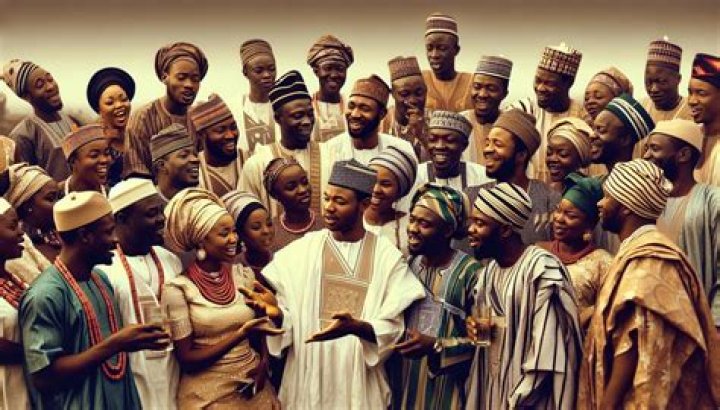
What are Nigerian Curse Words and Why Do They Matter?
Nigerian curse words are a unique and colorful part of Nigerian culture. They are often used to express anger, frustration, or disappointment, and can be quite shocking to those who are not familiar with them. However, Nigerian curse words can also be used to add humor or emphasis to a conversation, and can even be used as a form of endearment. Regardless of how they are used, Nigerian curse words are a powerful tool that can be used to communicate a wide range of emotions.
There are many different Nigerian curse words, each with its own unique meaning and connotation. Some of the most common Nigerian curse words include:
- Oloshi (fool)
- Oponu (idiot)
- Alabosi (bastard)
- Ewu (goat)
- Ashewo (prostitute)
These are just a few examples of the many different Nigerian curse words that exist. While some of these words may seem harsh, it is important to remember that they are often used in a playful or affectionate manner. However, it is also important to be aware of the potential consequences of using Nigerian curse words, as they can sometimes be offensive or even lead to violence.
The use of Nigerian curse words is a complex and nuanced issue. There is no one right or wrong answer when it comes to using these words. However, it is important to be aware of the potential consequences of using them and to use them responsibly.
Nigerian Curse Words
There are several key aspects to consider when discussing Nigerian curse words:
- Cultural Context: Nigerian curse words are deeply rooted in Nigerian culture and cannot be fully understood without understanding this context.
- Historical Context: The history of Nigeria has shaped the development of Nigerian curse words.
- Social Context: The use of Nigerian curse words is influenced by social factors such as age, gender, and social status.
- Linguistic Context: Nigerian curse words are a part of the Nigerian language and cannot be fully understood without understanding the language's grammar and syntax.
Nigerian Curse Words and Culture
Nigerian curse words are a reflection of Nigerian culture. They are often used to express emotions that are considered taboo in other cultures. For example, the curse word "olosi" is often used to express anger or frustration. However, it can also be used to express affection or endearment. This is because, in Nigerian culture, it is considered acceptable to express strong emotions in a direct and forceful way.
Conclusion
Nigerian curse words are a complex and fascinating part of Nigerian culture. They can be used to express a wide range of emotions, from anger to affection. It is important to be aware of the potential consequences of using Nigerian curse words, but it is also important to understand the cultural context in which they are used.
FAQs on Nigerian Curse Words
This section provides answers to frequently asked questions about Nigerian curse words, offering insights into their usage and significance.
Question 1: What is the significance of Nigerian curse words in Nigerian culture?
Answer: Nigerian curse words are deeply embedded in Nigerian culture and serve various purposes. They can express intense emotions, emphasize a point, or add humor to conversations. Understanding their context and usage is crucial for comprehending Nigerian cultural nuances.
Question 2: Are Nigerian curse words always offensive?
Answer: While some Nigerian curse words may be perceived as offensive in certain contexts, their usage often depends on the social situation and the relationship between speakers. In informal settings, they may be used playfully or as a form of endearment. However, it's essential to consider the audience and context to avoid causing unintended offense.
Summary: Nigerian curse words are a complex and integral part of Nigerian culture. Their usage and interpretation vary depending on cultural context, social dynamics, and individual relationships. Understanding their nuances is crucial for effective communication and cultural sensitivity.
Conclusion
In exploring the intricacies of Nigerian curse words, we have gained insights into their cultural significance, linguistic nuances, and social implications. These words, while often perceived as taboo, serve as a mirror to the complexities of Nigerian society. They reflect the nation's history, its cultural values, and the complexities of human emotion.
As we move forward, it is imperative to recognize the power and potential impact of Nigerian curse words. Their usage should be mindful and respectful, taking into account the context and the audience. By understanding the cultural underpinnings of these words, we can foster more meaningful and effective communication, bridging cultural divides and promoting mutual understanding.
Discover The Captivating Embrace Of "Jackerman's Mother's Warmth Chapter 3"
Damar Hamlin's Incredible Wealth: Exploring His Net Worth In 2023
The Ultimate Guide To Kimberly Guilfoyle's Plastic Surgery Transformation
