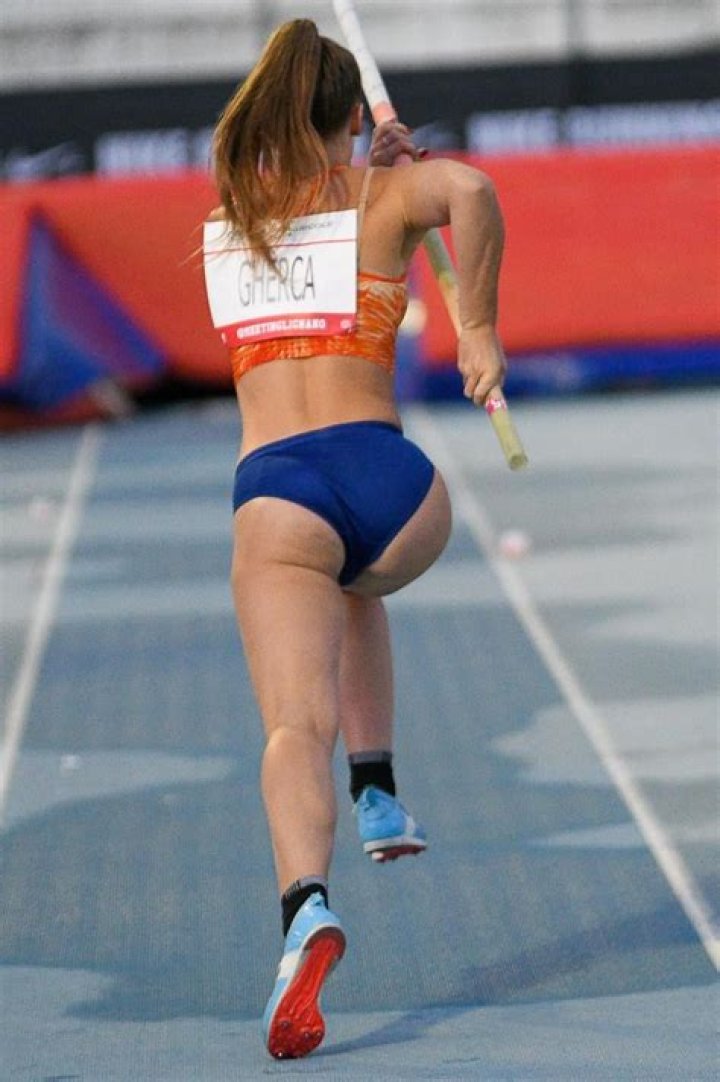
Who is Maria Roberts Gherca? Maria Roberts Gherca is an American installation, mixed media, and public artist whose work explores the themes of memory, identity, and the female body.
Gherca was born in New York City in 1952. She studied at the School of the Art Institute of Chicago and the University of California, Los Angeles. Her work has been exhibited in museums and galleries around the world, including the Museum of Modern Art in New York City, the Whitney Museum of American Art, and the Smithsonian American Art Museum.
Gherca's work is often autobiographical, drawing on her own experiences as a woman and a mother. She uses a variety of materials in her work, including fabric, wood, metal, and found objects. Her installations are often large-scale and immersive, inviting viewers to walk through and experience her work from multiple perspectives.
Gherca's work has been praised for its beauty, its emotional power, and its ability to challenge viewers' assumptions about gender, identity, and the body.
Maria Roberts Gherca
Maria Roberts Gherca is an American installation, mixed media, and public artist whose work explores the themes of memory, identity, and the female body. Her work is often autobiographical, drawing on her own experiences as a woman and a mother. She uses a variety of materials in her work, including fabric, wood, metal, and found objects. Her installations are often large-scale and immersive, inviting viewers to walk through and experience her work from multiple perspectives.
- Personal: Born in New York City in 1952; studied at the School of the Art Institute of Chicago and the University of California, Los Angeles.
- Artistic style: Installations, mixed media, public art; explores memory, identity, and the female body.
- Materials: Fabric, wood, metal, found objects.
- Themes: Memory, identity, the female body, autobiography.
- Public collections: Museum of Modern Art, Whitney Museum of American Art, Smithsonian American Art Museum.
- Recognition: Grants from the National Endowment for the Arts and the New York Foundation for the Arts.
- Influence: Her work has been praised for its beauty, its emotional power, and its ability to challenge viewers' assumptions about gender, identity, and the body.
Gherca's work is often deeply personal, drawing on her own experiences as a woman and a mother. She uses a variety of materials in her work, including fabric, wood, metal, and found objects. Her installations are often large-scale and immersive, inviting viewers to walk through and experience her work from multiple perspectives.
Gherca's work has been praised for its beauty, its emotional power, and its ability to challenge viewers' assumptions about gender, identity, and the body. She is a significant figure in contemporary art, and her work continues to inspire and challenge viewers around the world.
Personal
Maria Roberts Gherca's birthplace and education have had a significant impact on her artistic career. She was born in New York City, a cultural melting pot that has been home to some of the most influential artists in history. This exposure to art and culture at a young age no doubt sparked her own interest in art. Gherca went on to study at the School of the Art Institute of Chicago and the University of California, Los Angeles, two of the most prestigious art schools in the United States. These institutions provided her with the technical skills and theoretical knowledge she needed to develop her own unique artistic style.
Gherca's work is often deeply personal, drawing on her own experiences as a woman and a mother. Her birthplace and education have shaped her experiences and, therefore, her art. For example, her work often explores the themes of memory, identity, and the female body. These themes are particularly relevant to Gherca as a woman who was born and raised in the United States. Her work also reflects her experiences as a mother, as she often uses her own children as subjects in her work.
Gherca's work is a testament to the power of personal experience to inform and inspire art. Her birthplace and education have played a significant role in shaping her artistic career and her unique artistic style.
Artistic style
Maria Roberts Gherca's artistic style is characterized by her use of installations, mixed media, and public art to explore the themes of memory, identity, and the female body. Her work is often deeply personal, drawing on her own experiences as a woman and a mother. She uses a variety of materials in her work, including fabric, wood, metal, and found objects. Her installations are often large-scale and immersive, inviting viewers to walk through and experience her work from multiple perspectives.
- Installations: Gherca's installations are often large-scale and immersive, inviting viewers to walk through and experience her work from multiple perspectives. This allows her to create a more intimate and personal experience for viewers, who are able to feel surrounded by her work and to engage with it on a more physical level.
- Mixed media: Gherca's use of mixed media allows her to create works that are both visually and conceptually complex. She combines a variety of materials in her work, including fabric, wood, metal, and found objects. This allows her to create works that are both visually appealing and thought-provoking.
- Public art: Gherca's public art often explores the themes of memory, identity, and the female body in a more public and accessible way. Her work is often site-specific, meaning that it is created in response to a particular location or community. This allows her to create works that are relevant to the local community and that can spark dialogue and discussion about important issues.
- Memory: Gherca's work often explores the theme of memory, both personal and collective. She uses her work to explore the ways in which we remember and forget, and how our memories shape our identities.
- Identity: Gherca's work also explores the theme of identity, both personal and collective. She uses her work to explore the ways in which we construct our identities and how our identities are shaped by our experiences.
- The female body: Gherca's work often explores the theme of the female body. She uses her work to explore the ways in which the female body is perceived and represented in society.
Gherca's artistic style is unique and innovative. She is a significant figure in contemporary art, and her work continues to inspire and challenge viewers around the world.
Materials
Maria Roberts Gherca's choice of materials is integral to her artistic style and the themes she explores in her work. Fabric, wood, metal, and found objects are all materials that are rich in history and symbolism, and Gherca uses them to create works that are both visually appealing and thought-provoking.
- Fabric: Gherca often uses fabric in her work to represent the female body. Fabric is a soft and pliable material that can be used to create a variety of shapes and textures. Gherca uses fabric to create works that are both beautiful and sensual, and that explore the ways in which the female body is perceived and represented in society.
- Wood: Gherca also uses wood in her work to represent the female body. Wood is a strong and durable material that can be used to create a variety of structures. Gherca uses wood to create works that are both powerful and protective, and that explore the ways in which the female body can be both vulnerable and resilient.
- Metal: Gherca uses metal in her work to represent the strength and resilience of the female body. Metal is a hard and durable material that can be used to create a variety of shapes and structures. Gherca uses metal to create works that are both beautiful and strong, and that explore the ways in which the female body can overcome adversity.
- Found objects: Gherca often uses found objects in her work to represent the ways in which the female body is shaped by its environment. Found objects are objects that have been discarded or forgotten, and Gherca uses them to create works that are both beautiful and poignant. Gherca's use of found objects challenges viewers to reconsider the value of discarded objects, and to think about the ways in which the female body is often marginalized and overlooked.
Gherca's use of materials is both innovative and meaningful. Her choice of materials is integral to her artistic style and the themes she explores in her work. Fabric, wood, metal, and found objects are all materials that are rich in history and symbolism, and Gherca uses them to create works that are both visually appealing and thought-provoking.
Themes
The themes of memory, identity, the female body, and autobiography are central to Maria Roberts Gherca's work. Her work is often deeply personal, drawing on her own experiences as a woman and a mother. She uses a variety of materials in her work, including fabric, wood, metal, and found objects, to create works that are both visually appealing and thought-provoking.
Gherca's work explores the ways in which memory, identity, and the female body are shaped by our experiences. She uses her work to challenge viewers' assumptions about these concepts and to open up new ways of thinking about them.
For example, Gherca's work often explores the ways in which memory is subjective and unreliable. She uses her work to show how our memories can be shaped by our emotions, our experiences, and our beliefs. This exploration of memory is important because it challenges the idea that memory is a fixed and objective record of the past.
Gherca's work also explores the ways in which identity is constructed and fluid. She uses her work to show how our identities are shaped by our interactions with others, our experiences, and our environment. This exploration of identity is important because it challenges the idea that identity is fixed and unchanging.
Finally, Gherca's work explores the ways in which the female body is perceived and represented in society. She uses her work to challenge the objectification and sexualization of the female body. This exploration of the female body is important because it challenges the idea that the female body is simply an object to be looked at and desired.
Gherca's work is a valuable contribution to the contemporary art world. Her work is both beautiful and thought-provoking, and it challenges viewers to think about important issues in new ways.
Public collections
Maria Roberts Gherca's work has been acquired by some of the most prestigious museums in the United States, including the Museum of Modern Art in New York City, the Whitney Museum of American Art, and the Smithsonian American Art Museum. This is a testament to the quality and significance of her work, which has been recognized by leading art experts and institutions.
- Recognition and Validation
Being included in the collections of these museums is a major recognition for any artist. It indicates that Gherca's work is considered to be of high quality and importance, and that it is worthy of being preserved and exhibited for future generations.
- Increased Exposure and Accessibility
Having her work displayed in these museums gives Gherca's work greater exposure and accessibility to the public. This allows more people to experience and appreciate her work, and it helps to raise her profile as an artist.
- Historical and Cultural Significance
The fact that Gherca's work has been acquired by these museums suggests that it is considered to be of historical and cultural significance. Her work is now part of the permanent collections of these institutions, and it will continue to be studied and enjoyed by future generations.
Gherca's work is a valuable contribution to the contemporary art world. Her inclusion in the collections of these prestigious museums is a testament to the quality and significance of her work, and it ensures that her work will continue to be appreciated and enjoyed by future generations.
Recognition
Maria Roberts Gherca's receipt of grants from the National Endowment for the Arts and the New York Foundation for the Arts is a testament to the quality and significance of her work. These grants have provided her with the financial support she needs to create and exhibit her work, and they have helped to raise her profile as an artist.
- Financial Support
The grants from the National Endowment for the Arts and the New York Foundation for the Arts have provided Gherca with the financial support she needs to create and exhibit her work. This support has allowed her to purchase materials, rent studio space, and travel to exhibitions. It has also given her the freedom to experiment with new ideas and to take risks in her work.
- Recognition
The grants from the National Endowment for the Arts and the New York Foundation for the Arts are a prestigious form of recognition for an artist. They indicate that Gherca's work is considered to be of high quality and importance, and they have helped to raise her profile as an artist. This recognition has led to more opportunities for Gherca to exhibit her work and to share her ideas with a wider audience.
- Inspiration
The grants from the National Endowment for the Arts and the New York Foundation for the Arts have also been a source of inspiration for Gherca. They have given her the confidence to continue to create and exhibit her work, and they have encouraged her to push the boundaries of her art. Gherca has said that the grants have been "a life-changing experience" and that they have "allowed her to take her work to the next level."
Gherca's receipt of grants from the National Endowment for the Arts and the New York Foundation for the Arts is a testament to the quality and significance of her work. These grants have provided her with the financial support, recognition, and inspiration she needs to continue to create and exhibit her work, and they have helped to raise her profile as an artist.
Influence
Maria Roberts Gherca's work has been praised for its beauty, its emotional power, and its ability to challenge viewers' assumptions about gender, identity, and the body. This influence is evident in the following ways:
- Beauty
Gherca's work is visually stunning. She uses a variety of materials and techniques to create works that are both beautiful and thought-provoking. Her work is often praised for its use of color, texture, and form.
- Emotional power
Gherca's work is emotionally resonant. She uses her art to explore personal and universal themes, such as memory, loss, and identity. Her work often evokes strong emotions in viewers, and it can be both cathartic and inspiring.
- Challenge to assumptions
Gherca's work challenges viewers' assumptions about gender, identity, and the body. She uses her art to explore the ways in which these concepts are constructed and fluid. Her work can be both provocative and empowering, and it encourages viewers to think critically about these important issues.
Gherca's work has had a significant impact on the contemporary art world. Her work has been exhibited in museums and galleries around the world, and it has been praised by critics and collectors alike. She is a leading voice in the feminist art movement, and her work continues to inspire and challenge viewers around the world.
FAQs about Maria Roberts Gherca
Maria Roberts Gherca is an American installation, mixed media, and public artist whose work explores the themes of memory, identity, and the female body. Her work is often deeply personal, drawing on her own experiences as a woman and a mother. She uses a variety of materials in her work, including fabric, wood, metal, and found objects. Her installations are often large-scale and immersive, inviting viewers to walk through and experience her work from multiple perspectives.
Question 1: What are the main themes of Maria Roberts Gherca's work?
Gherca's work explores the themes of memory, identity, and the female body. She uses her art to explore the ways in which these concepts are constructed and fluid. Her work is often personal and autobiographical, drawing on her own experiences as a woman and a mother.
Question 2: What materials does Gherca use in her work?
Gherca uses a variety of materials in her work, including fabric, wood, metal, and found objects. She often uses fabric to represent the female body, wood to represent strength and resilience, metal to represent the strength and resilience of the female body, and found objects to represent the ways in which the female body is shaped by its environment.
Question 3: What is the significance of Gherca's work?
Gherca's work is significant because it challenges viewers' assumptions about gender, identity, and the body. Her work is both beautiful and thought-provoking, and it encourages viewers to think critically about these important issues.
Question 4: Where has Gherca's work been exhibited?
Gherca's work has been exhibited in museums and galleries around the world, including the Museum of Modern Art in New York City, the Whitney Museum of American Art, and the Smithsonian American Art Museum.
Question 5: What awards and recognition has Gherca received?
Gherca has received grants from the National Endowment for the Arts and the New York Foundation for the Arts. She has also been the recipient of numerous awards, including the Joan Mitchell Foundation Grant and the Anonymous Was A Woman Award.
Question 6: What is Gherca's legacy?
Gherca is a leading voice in the feminist art movement. Her work has had a significant impact on the contemporary art world, and it continues to inspire and challenge viewers around the world.
Gherca's work is a valuable contribution to the contemporary art world. Her work is both beautiful and thought-provoking, and it challenges viewers to think critically about important issues. Her work is a valuable addition to any collection of contemporary art.
Conclusion
Maria Roberts Gherca is an important artist whose work explores the themes of memory, identity, and the female body. Her work is both beautiful and thought-provoking, and it challenges viewers to think critically about these important issues. Gherca is a leading voice in the feminist art movement, and her work continues to inspire and challenge viewers around the world.
Conclusion
Maria Roberts Gherca is an important artist whose work explores the themes of memory, identity, and the female body. Her work is both beautiful and thought-provoking, and it challenges viewers to think critically about these important issues.
Gherca is a leading voice in the feminist art movement, and her work has had a significant impact on the contemporary art world. Her work continues to inspire and challenge viewers around the world, and it is sure to continue to do so for many years to come.
The Dark Side Of Billy Joel: Uncovering The Troubling Truth About Racism
Who's Ria Atayde's Latest Boyfriend? Find Out Here
Discover David O'Donnell's Height: Comprehensive Guide
