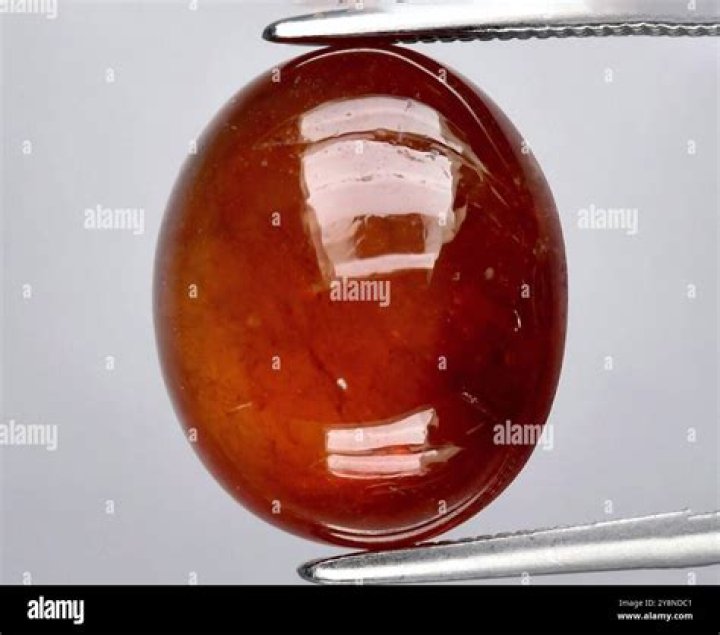
Amber Frattta, a unique and captivating spectacle of nature, has enthralled humankind for centuries due to its captivating appearance and remarkable properties.
Amber Frattta is the fossilized resin of ancient trees, primarily originating from the Baltic Sea region. Its formation, which spans millions of years, results in an exquisite, gemstone-like material that is renowned for its rich golden hue, transparency, and inclusions of ancient organic matter, including insects, plants, and even small animals. These inclusions, perfectly preserved within the amber, provide a fascinating glimpse into prehistoric ecosystems and the evolution of life on Earth.
Amber Frattta has been highly valued throughout history, not only for its beauty but also for its perceived medicinal and spiritual properties. In ancient times, it was believed to possess healing powers and was used in traditional medicine to treat various ailments. Today, amber is still prized for its aesthetic appeal and is widely used in jewelry, decorative objects, and even as a collector's item.
Furthermore, amber fratta has significant historical and cultural importance. It has been a subject of fascination and study for scientists, historians, and artists alike, providing insights into ancient civilizations and the natural world. The Amber Road, an ancient trade route stretching from the Baltic Sea to the Mediterranean, played a vital role in the dissemination of amber throughout Europe and beyond, contributing to cultural exchange and economic development.
Amber Frattta
Amber Frattta, a captivating and multifaceted natural phenomenon, unveils its significance through six key aspects:
- Fossil Resin: Originating as the fossilized resin of ancient trees.
- Organic Inclusions: Preserving remnants of prehistoric life, including insects and plants.
- Golden Hue: Renowned for its rich and captivating golden color.
- Healing Properties: Traditionally believed to possess medicinal and spiritual powers.
- Historical Importance: Serving as a valuable commodity along the ancient Amber Road.
- Scientific Value: Providing insights into ancient ecosystems and the evolution of life.
These aspects intertwine, making Amber Frattta a unique and valuable substance. Its fossilized nature offers a tangible connection to the distant past, while its organic inclusions provide a glimpse into the diversity of life that existed millions of years ago. Amber Frattta's rich golden hue and perceived healing properties have captivated cultures throughout history, contributing to its enduring appeal. Moreover, its historical significance as a traded commodity highlights its role in cultural exchange and economic development. Finally, the scientific value of Amber Frattta lies in its ability to inform our understanding of ancient ecosystems and the evolution of life on Earth.
Fossil Resin
The connection between fossil resin and amber fratta is fundamental, as amber fratta is the fossilized resin of ancient trees. Fossil resin originates from the sap of coniferous trees that lived millions of years ago. When these trees were injured or damaged, they would produce resin as a natural defense mechanism to seal the wound and protect the tree from pests and diseases. Over time, this resin would harden and fossilize, eventually transforming into amber fratta.
The fossilization process of amber fratta typically occurs when the resin is buried underground and subjected to high pressure and temperature over millions of years. During this process, the organic compounds in the resin undergo a chemical transformation, resulting in the formation of amber fratta. The color, transparency, and hardness of amber fratta can vary depending on the type of tree resin and the conditions under which it fossilized.
Fossil resin is a significant component of amber fratta, contributing to its unique properties and value. The fossilized nature of amber fratta makes it a durable and long-lasting material, resistant to decay and degradation. It is also lightweight and relatively easy to work with, making it a popular choice for jewelry, decorative objects, and other applications.
Understanding the connection between fossil resin and amber fratta is essential for appreciating the significance of this natural material. Fossil resin provides the foundation for the formation of amber fratta, giving it its characteristic properties and contributing to its historical and cultural importance.
Organic Inclusions
Amber fratta, with its unique ability to encapsulate organic matter within its fossilized resin, provides a captivating glimpse into prehistoric life. These inclusions, ranging from insects and plants to small animals, offer invaluable insights into the diversity and evolution of life on Earth.
- Preserved Ecosystems:
Amber fratta inclusions provide a snapshot of ancient ecosystems, preserving a wide range of organisms that coexisted millions of years ago. By studying these inclusions, scientists can reconstruct past environments and gain insights into the ecological relationships between different species.
- Evolutionary History:
The organic matter trapped within amber fratta offers a unique opportunity to study the evolutionary history of various species. By comparing the morphology and anatomy of ancient insects and plants with their modern counterparts, researchers can trace changes over time and gain a deeper understanding of evolutionary processes.
- Paleontological Significance:
Amber fratta inclusions are of great paleontological significance, as they provide physical evidence of extinct species and contribute to our knowledge of past biodiversity. These inclusions can also shed light on the geographical distribution of species and the climatic conditions that prevailed during different geological periods.
- Scientific Research:
Amber fratta inclusions are a valuable resource for scientific research in various fields, including entomology, paleobotany, and ecology. They provide researchers with unique samples for studying the behavior, morphology, and genetics of ancient organisms, offering insights into the evolution of life and the interconnectedness of ecosystems.
In conclusion, the organic inclusions preserved within amber fratta are not merely aesthetic curiosities but invaluable scientific treasures. They offer a direct connection to the past, providing a wealth of information about prehistoric life and contributing to our understanding of the evolution and diversity of life on Earth.
Golden Hue
The captivating golden hue of amber fratta is an intrinsic characteristic that contributes to its allure and value. This rich color, reminiscent of sunlight and molten gold, is a result of the unique chemical composition and optical properties of amber fratta.
The golden hue of amber fratta originates from the presence of certain organic compounds, primarily aromatic hydrocarbons and terpenoids. These compounds absorb and scatter light in a specific way, giving amber fratta its characteristic golden color. Additionally, the transparency and refractive index of amber fratta contribute to its luminous appearance, allowing light to penetrate and interact with the internal structure of the material.
The golden hue of amber fratta is not merely an aesthetic attribute but also a testament to its age and authenticity. As amber fratta ages, it undergoes a natural oxidation process that enhances its golden color and contributes to its durability. This process is responsible for the deep, rich hues seen in antique and highly prized pieces of amber fratta.
The golden hue of amber fratta has practical significance as well. In ancient times, amber fratta was used as a source of illumination. When burned, it produces a bright, golden flame, providing light and warmth. In modern times, the golden hue of amber fratta makes it a popular choice for jewelry, decorative objects, and other applications where its beauty and warmth can be appreciated.
In conclusion, the golden hue of amber fratta is an integral part of its identity, contributing to its aesthetic appeal, historical significance, and practical applications. Understanding the connection between the golden hue and amber fratta provides insights into the unique properties and multifaceted nature of this captivating material.
Healing Properties
Amber fratta has long been associated with healing properties, both medicinal and spiritual. These beliefs have been passed down through generations and are deeply rooted in various cultures around the world.
- Physical Healing:
Amber fratta has been traditionally used to treat a wide range of physical ailments, including pain, inflammation, and digestive issues. It is believed to possess anti-inflammatory, analgesic, and detoxifying properties.
- Emotional Healing:
Amber fratta is also believed to have emotional healing properties. It is said to promote calmness, reduce stress, and alleviate anxiety. Some cultures believe that amber fratta can absorb negative energy and bring about emotional balance.
- Spiritual Healing:
In many spiritual traditions, amber fratta is considered a sacred stone with protective and purifying qualities. It is believed to connect the wearer to higher powers and facilitate spiritual growth. Some believe that amber fratta can enhance intuition and promote spiritual awareness.
- Energy Healing:
Amber fratta is often used in energy healing practices, such as reiki and crystal healing. It is believed to have the ability to balance and align the body's energy centers, promoting overall well-being.
While scientific evidence to support the healing properties of amber fratta is limited, many people continue to believe in its therapeutic benefits. Whether its effects are attributed to the placebo effect, cultural beliefs, or a combination of factors, amber fratta remains a popular choice for those seeking alternative and holistic healing methods.
Historical Importance
Amber fratta played a significant historical role as a valuable commodity along the ancient Amber Road, a vast trade network that spanned from the Baltic Sea to the Mediterranean Sea.
During the Bronze and Iron Ages, amber fratta was highly sought after for its beauty, durability, and perceived medicinal properties. It was traded by merchants and traveled long distances, connecting different cultures and facilitating economic exchange. The Amber Road served as a vital artery for theof amber fratta, contributing to its widespread use and popularity.
The historical importance of amber fratta as a commodity is evident in archaeological findings and historical records. Excavations along the Amber Road have uncoveredamber fratta artifacts, including jewelry, ornaments, and tools. These artifacts provide insights into the craftsmanship and artistic traditions of ancient civilizations.
Moreover, amber fratta was not only a valuable commodity but also a symbol of power and prestige. It was often used to adorn the clothing and accessories of wealthy individuals, and its possession was associated with high social status. The historical significance of amber fratta extends beyond its economic value, as it also played a cultural and symbolic role in ancient societies.
Understanding the connection between amber fratta and its historical importance along the ancient Amber Road provides valuable insights into ancient trade networks, cultural exchange, and the significance of this material in shaping human history.
Scientific Value
Amber fratta, with its unique ability to preserve organic matter within its fossilized resin, offers a valuable scientific resource for studying ancient ecosystems and the evolution of life.
- Preserved Ecosystems:
Amber fratta inclusions provide a snapshot of ancient ecosystems, preserving a wide range of organisms that coexisted millions of years ago. By studying these inclusions, scientists can reconstruct past environments and gain insights into the ecological relationships between different species.
- Evolutionary History:
The organic matter trapped within amber fratta offers a unique opportunity to study the evolutionary history of various species. By comparing the morphology and anatomy of ancient insects and plants with their modern counterparts, researchers can trace changes over time and gain a deeper understanding of evolutionary processes.
- Paleontological Significance:
Amber fratta inclusions are of great paleontological significance, as they provide physical evidence of extinct species and contribute to our knowledge of past biodiversity. These inclusions can also shed light on the geographical distribution of species and the climatic conditions that prevailed during different geological periods.
- Scientific Research:
Amber fratta inclusions are a valuable resource for scientific research in various fields, including entomology, paleobotany, and ecology. They provide researchers with unique samples for studying the behavior, morphology, and genetics of ancient organisms, offering insights into the evolution of life and the interconnectedness of ecosystems.
In conclusion, amber fratta's scientific value lies in its ability to provide a glimpse into ancient ecosystems and the evolution of life. By studying the organic inclusions preserved within amber fratta, scientists can gain insights into the diversity, interactions, and changes that have occurred over millions of years, contributing to our understanding of the history and complexity of life on Earth.
Frequently Asked Questions about Amber Frattta
This section aims to address common inquiries and misconceptions surrounding amber fratta, providing concise and informative answers.
Question 1: What exactly is amber fratta?
Amber fratta refers to the fossilized resin of ancient trees, primarily originating from the Baltic Sea region. It is renowned for its captivating golden hue, transparency, and the presence of organic inclusions, such as insects, plants, and even small animals.
Question 2: How is amber fratta formed?
Amber fratta originates from the sap of ancient coniferous trees. When these trees were injured, they would produce resin as a natural defense mechanism to seal the wound. Over time, this resin would harden and fossilize, eventually transforming into amber fratta.
Question 3: What causes the golden hue of amber fratta?
The golden hue of amber fratta is primarily attributed to the presence of certain organic compounds, such as aromatic hydrocarbons and terpenoids. These compounds absorb and scatter light in a specific way, giving amber fratta its characteristic golden color.
Question 4: Is amber fratta valuable?
Yes, amber fratta is considered valuable due to its unique properties, captivating appearance, and historical significance. It is prized for its use in jewelry, decorative objects, and collectors' items.
Question 5: What is the historical significance of amber fratta?
Amber fratta played a significant role in ancient trade networks, serving as a valuable commodity along the Amber Road that connected the Baltic Sea to the Mediterranean Sea. It was highly sought after for its beauty, durability, and perceived medicinal properties.
Question 6: What is the scientific value of amber fratta?
Amber fratta provides valuable insights into ancient ecosystems and the evolution of life. The organic inclusions preserved within amber fratta offer a unique opportunity to study extinct species, trace evolutionary changes, and reconstruct past environments.
Summary: Amber fratta is a captivating and valuable material with a rich history and diverse applications. Its unique properties, golden hue, and scientific significance make it an object of fascination and study.
Transition: To further explore the multifaceted nature of amber fratta, let's delve into its cultural significance and the captivating stories it holds.
Amber Frattta
Through this exploration, we have uncovered the multifaceted nature of amber fratta, a captivating gem of nature. Its unique origins, golden hue, and ability to preserve ancient life within its depths have made it a prized material throughout history, valued for its beauty, healing properties, and scientific significance.
Amber fratta serves as a tangible link to the past, offering insights into ancient ecosystems and the evolution of life on Earth. As we continue to study and appreciate this remarkable material, we are reminded of the interconnectedness of all living things and the enduring power of nature's creations.
Hannah Thth: The Ultimate Guide For Aspiring Actors
All About Nicole Scherzinger's Mother
Norman Lear's Kids: Meet The Legendary Comedian's Children
