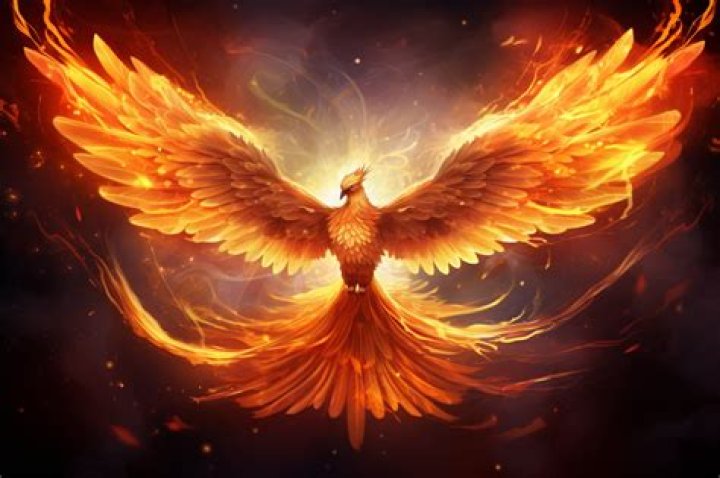
1. What is the significance of the phoenix in mythology?
The phoenix is a mythical bird that is often associated with resurrection and rebirth. In ancient mythology, it was believed that the phoenix had the ability to die and then rise again from its own ashes, symbolizing renewal and immortality.
2. Does the Bible mention the phoenix?
No, the Bible does not specifically mention the phoenix. While the Bible does contain various references to birds, including eagles and doves, there is no direct mention of the phoenix as described in mythology.
3. What does the Bible say about birds and their symbolism?
The Bible references birds in various contexts, often using them as symbols of different qualities. For example, eagles are often associated with strength and power, while doves are seen as symbols of peace. However, the phoenix, with its unique mythology, does not have a specific place in biblical symbolism.
4. Are there any creatures similar to the phoenix mentioned in the Bible?
While the phoenix is not mentioned in the Bible, there are a few passages that describe creatures with bird-like qualities. One such example is found in the Book of Job, where a creature called “leviathan” is described as having wings. However, this creature is distinctly different from the phoenix in both its characteristics and symbolism.
5. Why do some people believe the phoenix is mentioned in the Bible?
The belief that the phoenix is mentioned in the Bible may stem from the fact that similar rebirth and resurrection themes are present in biblical stories, such as the resurrection of Jesus Christ. However, it is important to note that the phoenix is not specifically mentioned in these accounts.
6. What are some famous references to the phoenix in literature?
While the phoenix may not be mentioned in the Bible, it has been referenced in various other works of literature throughout history. One of the most well-known references is in the ancient Greek poem “The Iliad” by Homer, where the phoenix is described as a majestic bird with regenerative powers.
7. Does the phoenix have any significance in Christianity?
In Christianity, the phoenix does not hold any significant symbolic meaning. The focus of Christian faith revolves around Jesus Christ and his resurrection, rather than the mythical bird of the phoenix.
8. Are there any religious or cultural beliefs that associate the phoenix with the Bible?
While some religious or cultural beliefs may associate the phoenix with the Bible, these interpretations are often based on personal or cultural perspectives rather than direct biblical references. It is essential to differentiate between religious interpretations and factual biblical content.
9. How can we understand the absence of the phoenix in the Bible?
The absence of the phoenix in the Bible can be explained by the fact that the bird’s mythology originates from different cultures and belief systems, primarily ancient Greek and Egyptian. The Bible primarily reflects the belief systems and cultural context of the ancient Hebrew people.
10. Can the phoenix still hold personal or symbolic meaning for individuals?
Absolutely! While the phoenix may not have a direct association with the Bible, individuals can still find personal or symbolic meaning in the bird. As a universal symbol of renewal and transformation, the phoenix can inspire individuals to embrace change, overcome adversity, and find new life in difficult circumstances.
11. How can we differentiate between biblical references and mythology?
Differentiating between biblical references and mythology requires careful study and contextual understanding. The Bible is a collection of religious texts that presents specific beliefs and teachings, while mythology often represents ancient stories and cultural traditions. It is essential to approach each with an understanding of their intended purpose.
12. Are there any other mythological creatures mentioned in the Bible?
Yes, the Bible does mention several mythological creatures, such as Leviathan and Behemoth. However, these creatures are generally understood to be symbolic or metaphorical representations, rather than actual physical beings. The Bible primarily focuses on conveying spiritual, moral, and theological truths rather than providing a comprehensive catalogue of mythical creatures.
13. Can the absence of the phoenix in the Bible impact its significance in mythology?
The absence of the phoenix in the Bible does not diminish its significance in mythology. Mythology is a distinct cultural and literary tradition that exists independently from biblical texts. The importance of the phoenix in mythology arises from its role as a symbol of resurrection and renewal, which holds value regardless of its presence or absence in religious texts.
14. How does the phoenix’s symbolism compare with the biblical concept of resurrection?
While the phoenix’s symbolism shares similarities with the biblical concept of resurrection, there are also notable differences. In biblical accounts, resurrection is connected to divine intervention and the hope of eternal life through faith. The phoenix, on the other hand, represents a cyclical process of self-renewal, often associated with nature and cosmic cycles.
15. Can we appreciate both biblical teachings and mythology simultaneously?
Yes, it is possible to appreciate both biblical teachings and mythology simultaneously. As different forms of human expression and storytelling, they can offer unique insights and perspectives. It is crucial to approach each with respect and discernment, understanding their distinct purposes and cultural contexts.
In conclusion, while the phoenix is a captivating creature of mythology, it is not mentioned in the Bible. The lack of direct references to the phoenix in biblical texts does not diminish its significance in mythology or its potential personal and symbolic meaning for individuals. By understanding the distinct aspects of religious teachings and mythology, we can appreciate and learn from their rich narratives and symbolism.
Please help us rate this postncG1vNJzZmivp6x7r6%2FErJpnm5%2BifKq%2FjK2fnmWgnbymusixZKadnqm2sLrEnWSipl2ptaZ5waKZpZ1f
