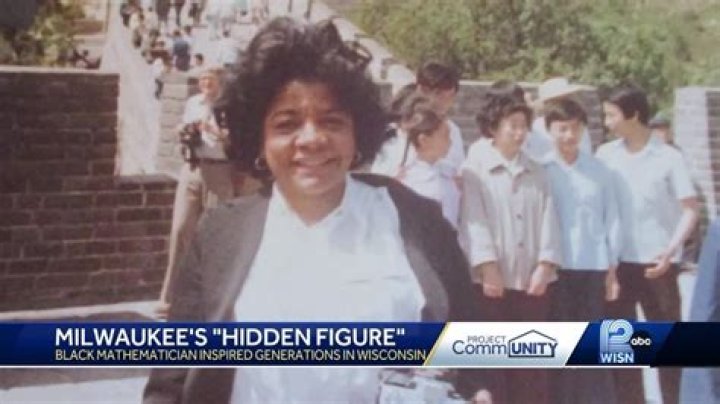
Who was Caroline Cornelia?
Caroline Cornelia was an African-American woman who was enslaved by the prominent Virginian planter, Robert "King" Carter.
She was known for her exceptional skills as a healer and midwife, and she played a vital role in the community, providing medical care to both enslaved and free people. Caroline Cornelia's story sheds light on the lives of enslaved women during the antebellum period and the resilience and strength they demonstrated in the face of adversity.
Caroline Cornelia's legacy serves as a reminder of the significant contributions made by enslaved people to American history and culture.
Caroline Cornelia
Caroline Cornelia, an enslaved African-American woman and skilled healer, played a significant role in her community during the antebellum period. Here are seven key aspects that explore her life and legacy:
- Enslaved Healer: Caroline Cornelia's medical expertise benefited both enslaved and free people.
- Midwifery Skills: She assisted in childbirth, ensuring the well-being of mothers and infants.
- Community Caregiver: Her healing abilities extended beyond physical ailments, providing comfort and support to those in need.
- Resilience in Adversity: Despite the hardships of slavery, Caroline Cornelia persevered, showcasing her strength and determination.
- Historical Significance: Her story sheds light on the lives of enslaved women and their contributions to society.
- Legacy of Empowerment: Caroline Cornelia's story inspires and empowers marginalized communities.
- Symbol of Resistance: Her medical practices and community involvement can be seen as acts of resistance against the oppressive system of slavery.
Caroline Cornelia's life exemplifies the resilience, strength, and contributions of enslaved people during the antebellum period. Her story serves as a reminder of the often-overlooked experiences and achievements of those who lived and fought for freedom and dignity.
Enslaved Healer
Caroline Cornelia's role as an enslaved healer highlights the complex and often overlooked contributions of enslaved people to American society. Her medical expertise extended beyond the boundaries of the plantation, providing care to both enslaved and free individuals. This demonstrates the valuable skills and knowledge that enslaved people possessed, despite the oppressive conditions they endured.
Cornelia's medical practices likely drew upon a combination of traditional African healing knowledge and knowledge acquired from observing and assisting white healers. Her ability to provide care to both enslaved and free people suggests that she possessed a deep understanding of the medical needs of the community, regardless of their social status.
The fact that Caroline Cornelia's medical expertise benefited both enslaved and free people underscores the interconnectedness of the enslaved and free communities during the antebellum period. It also challenges the notion that enslaved people were passive recipients of care and instead highlights their active role in providing for their own well-being and that of their community.
Midwifery Skills
Caroline Cornelia's midwifery skills played a crucial role in the well-being of her community during the antebellum period. As an enslaved healer, she provided essential medical care to both enslaved and free individuals, including assisting in childbirth.
- Skilled Birth Attendant: Cornelia's expertise in midwifery ensured the safe delivery of infants and the well-being of mothers. Her knowledge and experience were invaluable in a time when childbirth was often dangerous.
- Prenatal and Postnatal Care: Cornelia's care extended beyond the birthing process. She provided prenatal and postnatal care, ensuring the health of both the mother and the newborn.
- Community Support: Cornelia's midwifery skills were a source of support and comfort for the community. She provided reassurance and guidance to expectant mothers, and her presence during childbirth brought a sense of.
Caroline Cornelia's midwifery skills were a testament to her compassion and dedication to the well-being of her community. Her ability to provide essential medical care in the face of adversity highlights the resilience and strength of enslaved women during this period.
Community Caregiver
Caroline Cornelia's role as a community caregiver extended beyond providing medical care. She offered comfort and support to those in need, regardless of their physical ailments or social status. This aspect of her work highlights the holistic nature of her healing practices and her deep commitment to the well-being of her community.
Cornelia's ability to provide emotional and spiritual support stemmed from her profound understanding of the human condition. She recognized that healing encompasses not only the physical body but also the mind and spirit. By offering a listening ear, a warm embrace, or words of encouragement, she created a safe and nurturing space for those who sought her help.
The practical significance of Cornelia's role as a community caregiver cannot be overstated. In a time when enslaved people were often denied basic healthcare and emotional support, her presence provided a beacon of hope and resilience. Her ability to provide comfort and support to those in need fostered a sense of community and solidarity, helping to sustain people through the challenges of their daily lives.
Resilience in Adversity
Caroline Cornelia's resilience in the face of adversity serves as a testament to the indomitable spirit of enslaved people during the antebellum period. Despite the hardships and brutality of slavery, she persevered, showcasing her strength and determination in numerous ways:
- Unwavering Spirit: Throughout her life, Cornelia faced countless challenges, yet she never allowed her spirit to be broken. Her unwavering determination allowed her to endure the unimaginable and continue providing care to her community.
- Source of Strength: Cornelia's resilience became a source of strength for others. Her ability to persevere in the face of adversity inspired and motivated those around her, fostering a sense of hope and determination.
- Legacy of Resistance: Cornelia's resilience can be seen as a form of resistance against the oppressive system of slavery. By refusing to be defined by her circumstances, she demonstrated the resilience and strength of the human spirit.
Caroline Cornelia's resilience in adversity not only allowed her to survive but also to thrive as a healer and community leader. Her unwavering spirit and determination serve as a reminder of the indomitable human will to overcome adversity and make a meaningful contribution to the world.
Historical Significance
Caroline Cornelia's story holds immense historical significance as it illuminates the lives of enslaved women and their invaluable contributions to society during the antebellum period. By examining her experiences and achievements, we gain a deeper understanding of the resilience, strength, and agency of enslaved people in the face of oppression.
Cornelia's story challenges the dominant narratives that often overlook or minimize the experiences of enslaved women. Through her story, we witness the multifaceted roles they played within their communities, not only as healers and caregivers but also as leaders and agents of change. Her story adds to the growing body of scholarship that seeks to uncover and amplify the voices and contributions of marginalized groups in history.
Moreover, Cornelia's story has practical significance for contemporary society. It reminds us of the importance of recognizing and valuing the contributions of all members of society, regardless of their race, gender, or social status. Her story inspires us to challenge systemic inequalities and work towards creating a more just and equitable world.
Legacy of Empowerment
Caroline Cornelia's story serves as a powerful source of inspiration and empowerment for marginalized communities around the world. Her legacy extends beyond her immediate circle and resonates with individuals and groups who have historically faced oppression and discrimination.
One key reason for the empowering nature of Cornelia's story is its demonstration of resilience and resistance in the face of adversity. As an enslaved woman, she overcame tremendous obstacles and hardships to make a meaningful contribution to her community. Her story reminds marginalized communities that they possess the inner strength and determination to overcome challenges and achieve their goals.
Furthermore, Cornelia's story highlights the importance of self-determination and agency. She was not a passive recipient of charity or pity but an active agent in shaping her own destiny and the destiny of her community. Her story inspires marginalized communities to take ownership of their own lives and strive for self-empowerment.
In practical terms, the legacy of empowerment associated with Caroline Cornelia's story can translate into various forms of activism, community organizing, and advocacy. Her story encourages marginalized communities to challenge systemic inequalities, demand their rights, and create a more just and equitable society.
In conclusion, Caroline Cornelia's legacy of empowerment serves as a beacon of hope and inspiration for marginalized communities. Her story reminds us of the power of resilience, resistance, and self-determination in the face of adversity. It challenges us to work towards a world where all individuals have the opportunity to reach their full potential and live with dignity and respect.
Symbol of Resistance
Caroline Cornelia's medical practices and community involvement were not merely acts of compassion and care; they were also powerful forms of resistance against the oppressive system of slavery. By providing medical care to both enslaved and free people, Cornelia challenged the notion that enslaved people were less deserving of healthcare. Her actions demonstrated that enslaved people were not simply property but human beings with inherent dignity and worth.
- Subverting the Master-Slave Relationship: Cornelia's medical practices disrupted the power dynamics between enslaved people and their masters. By providing care to white people, she asserted her own humanity and challenged the idea that enslaved people were inferior.
- Creating a Space of Healing and Resistance: Cornelia's home became a safe haven for enslaved people seeking medical care and a sense of community. It was a place where they could come together, share their experiences, and find support amidst the hardships of slavery.
- Preserving African Healing Traditions: Through her medical practices, Cornelia preserved and passed on African healing traditions that had been brought to the Americas by enslaved people. This act of cultural resistance helped to maintain a connection to their African heritage and identity.
- Challenging White Supremacy: Cornelia's work as a healer and community leader directly challenged the racist ideology that justified the enslavement of African people. Her actions demonstrated that enslaved people were capable, intelligent, and deserving of freedom and respect.
Caroline Cornelia's story exemplifies the ways in which enslaved people resisted and fought against the oppressive system of slavery. Her medical practices and community involvement were powerful forms of resistance that challenged white supremacy, preserved African traditions, and asserted the humanity and dignity of enslaved people.
Frequently Asked Questions about Caroline Cornelia
This section provides concise answers to commonly asked questions about Caroline Cornelia, an enslaved healer and community leader during the antebellum period in the United States.
Question 1: Who was Caroline Cornelia?
Caroline Cornelia was an African-American woman enslaved by Robert "King" Carter, a prominent Virginia planter. She was renowned for her exceptional healing skills and played a vital role in her community, providing medical care to both enslaved and free individuals.
Question 2: What were Caroline Cornelia's medical skills?
Cornelia was skilled in various medical practices, including midwifery, herbal medicine, and wound care. Her expertise extended beyond physical ailments, as she also provided emotional and spiritual support to those in need.
Question 3: How did Caroline Cornelia's work challenge the system of slavery?
Cornelia's medical practices and community involvement were subtle yet powerful forms of resistance against slavery. By providing care to both enslaved and free people, she defied the notion of enslaved people as inferior and asserted their humanity.
Question 4: What was the significance of Caroline Cornelia's community involvement?
Cornelia's home became a safe haven for enslaved people, providing medical care, emotional support, and a sense of community. She fostered a network of resistance and empowerment, helping to sustain people through the hardships of slavery.
Question 5: How is Caroline Cornelia's legacy relevant today?
Cornelia's story continues to inspire and empower marginalized communities. Her resilience, strength, and commitment to healing serve as a reminder of the indomitable human spirit and the importance of fighting for justice and equality.
Question 6: What are some ways to honor Caroline Cornelia's legacy?
We can honor Caroline Cornelia's legacy by learning about her story, supporting organizations that provide healthcare to underserved communities, and working to dismantle systemic racism and inequality.
In conclusion, Caroline Cornelia's life and work offer valuable insights into the resilience, resistance, and contributions of enslaved people during the antebellum period. Her legacy continues to inspire and empower marginalized communities today, reminding us of the importance of fighting for justice and equality.
Conclusion
Caroline Cornelia's story sheds light on the resilience, strength, and contributions of enslaved people during the antebellum period of the United States. As a skilled healer and community leader, she defied societal norms and played a vital role in her community, providing medical care, emotional support, and a sense of empowerment.
Cornelia's legacy serves as a reminder of the indomitable spirit of enslaved people and the importance of challenging oppressive systems. It calls upon us to recognize and value the contributions of all individuals, regardless of their race, gender, or social status. By honoring her story and continuing the fight for justice and equality, we can create a more just and equitable society for all.
Uncovering The Family Ties Of Billy Nelson: Meet His Siblings
The Ultimate Guide To Uke Beasley: Wikipedia Edition
Remarkable Quotes On The Detrimental Effects Of Holding Grudges
