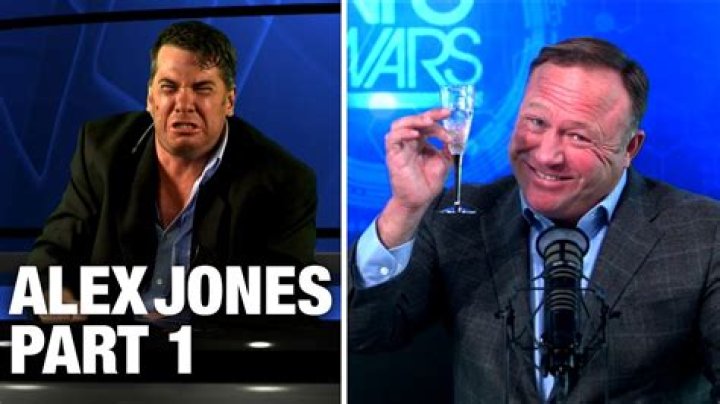
Who is Alex Jones, and what is his relationship with The Young Turks?
Alex Jones is a far-right radio host and conspiracy theorist known for his outlandish claims and promotion of misinformation. The Young Turks is a progressive news and commentary channel. The two have been at odds for years, with Jones accusing The Young Turks of being part of a "globalist" conspiracy and The Young Turks criticizing Jones for his dangerous rhetoric.
The feud between Jones and The Young Turks came to a head in 2018 when Jones filed a defamation lawsuit against the channel. The lawsuit was eventually dismissed, but it further escalated the tensions between the two sides.In recent years, Jones has become increasingly isolated from the mainstream media and has been banned from several social media platforms for spreading misinformation. The Young Turks, on the other hand, has continued to grow in popularity, becoming one of the most influential progressive voices in the media.
The relationship between Alex Jones and The Young Turks is a complex one, marked by mutual animosity and ideological differences. It is a relationship that is likely to continue for years to come.
Alex Jones and The Young Turks
Alex Jones and The Young Turks are two very different media outlets with very different political views. Jones is a far-right radio host and conspiracy theorist, while The Young Turks is a progressive news and commentary channel. Despite their differences, the two have been locked in a bitter feud for years.
- Ideological differences: Jones is a far-right conspiracy theorist, while The Young Turks is a progressive news channel.
- Mutual animosity: The two sides have been locked in a bitter feud for years, with each side accusing the other of spreading misinformation and hate speech.
- Legal battles: Jones has filed a defamation lawsuit against The Young Turks, which was eventually dismissed.
- Social media bans: Jones has been banned from several social media platforms for spreading misinformation, while The Young Turks has continued to grow in popularity.
- Political influence: Jones has been accused of having ties to the far-right, while The Young Turks has been accused of being too close to the Democratic Party.
- Media landscape: The feud between Jones and The Young Turks is a reflection of the increasingly polarized media landscape in the United States.
The feud between Alex Jones and The Young Turks is a complex one, with no easy answers. It is a feud that is likely to continue for years to come, as the two sides continue to battle over the future of the media landscape.
Personal details and bio data of Alex Jones
| Name | Alexander Emerick Jones |
|---|---|
| Birthdate | February 11, 1974 |
| Birthplace | Dallas, Texas |
| Occupation | Radio host, conspiracy theorist, and political commentator |
| Political affiliation | Far-right |
Ideological differences
The ideological differences between Alex Jones and The Young Turks are at the heart of their feud. Jones is a far-right conspiracy theorist who has repeatedly spread misinformation and hate speech. The Young Turks, on the other hand, is a progressive news channel that has criticized Jones for his dangerous rhetoric.
These ideological differences have led to a number of clashes between the two sides. In 2018, Jones filed a defamation lawsuit against The Young Turks, accusing the channel of spreading false information about him. The lawsuit was eventually dismissed, but it further escalated the tensions between the two sides.
The feud between Jones and The Young Turks is a reflection of the increasingly polarized media landscape in the United States. As the two sides continue to battle over the future of the media landscape, it is important to understand the ideological differences that drive their feud.
Mutual animosity
The mutual animosity between Alex Jones and The Young Turks is a key aspect of their feud. The two sides have been locked in a bitter battle for years, with each side accusing the other of spreading misinformation and hate speech.
- Personal attacks: Jones and The Young Turks have repeatedly attacked each other on a personal level, accusing each other of being liars, frauds, and even traitors.
- Legal battles: The feud between Jones and The Young Turks has also spilled over into the legal realm. In 2018, Jones filed a defamation lawsuit against The Young Turks, accusing the channel of spreading false information about him. The lawsuit was eventually dismissed, but it further escalated the tensions between the two sides.
- Social media warfare: The feud between Jones and The Young Turks has also been played out on social media. The two sides have repeatedly attacked each other on Twitter and other platforms, further fueling the animosity between them.
- Political polarization: The feud between Jones and The Young Turks is a reflection of the increasingly polarized political climate in the United States. The two sides represent very different political viewpoints, and their feud is a reflection of the broader divide in American society.
The mutual animosity between Alex Jones and The Young Turks is a major factor in their feud. The two sides have been locked in a bitter battle for years, and it is unlikely that the animosity will end anytime soon.
Legal battles
The legal battles between Alex Jones and The Young Turks are a significant aspect of their feud. Jones has filed a defamation lawsuit against The Young Turks, accusing the channel of spreading false information about him. The lawsuit was eventually dismissed, but it further escalated the tensions between the two sides.
The legal battles between Jones and The Young Turks highlight the deep animosity between the two sides. Jones has accused The Young Turks of being part of a "globalist" conspiracy, while The Young Turks has criticized Jones for his dangerous rhetoric. The legal battles are a reflection of the broader divide in American society, as the two sides represent very different political viewpoints.
The legal battles between Jones and The Young Turks are also a reminder of the importance of free speech. The First Amendment to the United States Constitution protects freedom of speech, even if that speech is offensive or controversial. The legal battles between Jones and The Young Turks show that the First Amendment is still a vital part of American society, even in the face of increasing polarization.
Social media bans
The differing treatment of Alex Jones and The Young Turks by social media platforms highlights the complex relationship between free speech and the spread of misinformation. Jones has been banned from several social media platforms for spreading misinformation, while The Young Turks has continued to grow in popularity. This is likely due to the fact that The Young Turks is seen as a more credible source of news and information than Jones, who has repeatedly made false and outlandish claims.
The social media bans against Jones have been controversial, with some arguing that they are a violation of his First Amendment rights. However, the platforms have argued that they have a right to remove users who are spreading misinformation and hate speech. The bans against Jones have been upheld by the courts, which have ruled that the platforms are private companies and have the right to set their own rules.
The differing treatment of Jones and The Young Turks by social media platforms is a reminder of the challenges that these platforms face in balancing free speech with the need to prevent the spread of misinformation. The bans against Jones have been controversial, but they have also been effective in reducing the spread of misinformation on social media. It remains to be seen how the platforms will handle similar cases in the future.
Political influence
The political influence of Alex Jones and The Young Turks is a significant aspect of their feud. Jones has been accused of having ties to the far-right, while The Young Turks has been accused of being too close to the Democratic Party. These accusations have further fueled the animosity between the two sides, as each side sees the other as being aligned with dangerous political forces.
- Jones' ties to the far-right
Jones has been accused of having ties to the far-right for many years. He has repeatedly promoted far-right conspiracy theories, such as the claim that the Sandy Hook shooting was a hoax. He has also been accused of supporting white supremacist groups. These accusations have led to Jones being banned from several social media platforms and ostracized by many in the mainstream media.
- The Young Turks' ties to the Democratic Party
The Young Turks has also been accused of having close ties to the Democratic Party. The channel's hosts have frequently praised Democratic politicians and policies. They have also been accused of being too willing to give a platform to Democratic candidates and activists. These accusations have led to The Young Turks being criticized by some on the left for being too close to the Democratic Party establishment.
The political influence of Alex Jones and The Young Turks is a complex issue. Both sides have been accused of having ties to extreme political groups. These accusations have further fueled the animosity between the two sides, and they are likely to continue to be a source of conflict for years to come.
Media landscape
The feud between Alex Jones and The Young Turks is a reflection of the increasingly polarized media landscape in the United States. The two sides represent very different political viewpoints, and their feud is a reflection of the broader divide in American society. This polarization is due to a number of factors, including:
- The rise of social media: Social media has made it easier for people to connect with others who share their views, and it has also made it easier for people to spread misinformation and propaganda. This has led to a more polarized media landscape, as people are more likely to be exposed to information that confirms their existing beliefs.
- The decline of traditional media: Traditional media outlets, such as newspapers and television news, have been in decline for years. This has led to a loss of trust in the media, and it has also made it more difficult for people to get access to objective and unbiased information.
- The rise of partisan media: Partisan media outlets, such as Fox News and MSNBC, have become increasingly popular in recent years. These outlets are designed to appeal to specific political demographics, and they often promote biased and misleading information. This has further contributed to the polarization of the media landscape.
The polarization of the media landscape is a serious problem. It makes it more difficult for people to get access to accurate and unbiased information, and it also makes it more difficult for people to have civil discussions about important issues. The feud between Alex Jones and The Young Turks is a reflection of this polarization, and it is a reminder of the challenges that we face in our increasingly divided society.
FAQs on Alex Jones and The Young Turks
This section provides answers to frequently asked questions about Alex Jones and The Young Turks, exploring their feud, political affiliations, and impact on the media landscape.
Question 1: What is the main reason behind the ongoing feud between Alex Jones and The Young Turks?
The feud stems from fundamental ideological differences. Alex Jones is a far-right conspiracy theorist, while The Young Turks is a progressive news channel. This disparity in political views has led to mutual animosity and public confrontations.
Question 2: How has the feud between Jones and The Young Turks impacted the media landscape?
Their feud reflects the increasing polarization within the media industry. Jones has been accused of spreading misinformation and hate speech, leading to bans on various platforms. Conversely, The Young Turks has gained popularity as a progressive voice, highlighting the growing divide in media consumption.
Question 3: What are the political affiliations of Alex Jones and The Young Turks?
Jones is associated with the far-right, promoting conspiracy theories and supporting far-right groups. The Young Turks, on the other hand, leans towards the progressive left, often criticizing conservative policies and supporting Democratic candidates.
Question 4: Has there been any legal action taken as part of the feud?
Yes, Jones filed a defamation lawsuit against The Young Turks but it was eventually dismissed. This legal battle further escalated the animosity between the two parties.
Question 5: How does social media play a role in the feud between Jones and The Young Turks?
Social media platforms have been a battleground for the feud. Jones has been banned from several platforms for spreading misinformation, while The Young Turks has utilized social media to amplify its progressive views. This dynamic highlights the influence of social media in shaping media narratives and fueling polarization.
Question 6: What are the key takeaways from the feud between Jones and The Young Turks?
The feud underscores the deep ideological divide within the media landscape, the challenges of combating misinformation, and the impact of political polarization on public discourse. It serves as a reminder of the need for critical thinking, media literacy, and constructive dialogue to navigate the increasingly fragmented media environment.
The feud between Alex Jones and The Young Turks continues to shape the media landscape, highlighting the challenges and complexities of navigating a polarized information ecosystem.
Proceed to the next section for further insights and analysis.
Conclusion
The feud between Alex Jones and The Young Turks has laid bare the deep ideological divide within the media landscape. Jones's far-right conspiracy theories and The Young Turks' progressive stance represent opposing ends of the political spectrum. This divide has fueled mutual animosity and a public battle that has spilled over into legal battles and social media wars.
The feud highlights the challenges of combating misinformation in an era of social media, where false and misleading information can spread rapidly. It also underscores the need for critical thinking and media literacy to navigate a fragmented and polarized information environment. The outcome of this feud will likely shape the future of media consumption and public discourse.
The Ultimate List Of Players Who Grace Both The Packers And Steelers
Find Out More About Matthew Settle's Wife
Discover The Truth About Roger Stone's Marital Status: Unveiling His Spouse
