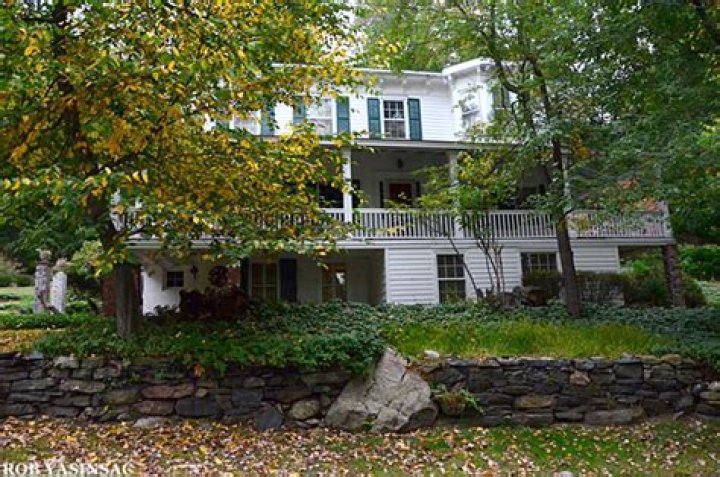
What is wisteria cottage albert fish?
Wisteria Cottage, located at 135 West 15th Street in Manhattan, New York City, is a two-story brick house known for its association with the serial killer Albert Fish.
Fish purchased the house in 1918 and used it as a base for his gruesome crimes. He would lure children to the house, torture and murder them, and then eat their remains. Fish was eventually arrested in 1934 and executed in 1936.
Wisteria Cottage has since become a popular destination for true crime enthusiasts and history buffs. The house is now privately owned, but it is occasionally open to the public for tours.
The story of Wisteria Cottage and Albert Fish is a chilling reminder of the darkness that can lurk behind even the most ordinary facades.
Wisteria Cottage Albert Fish
Wisteria Cottage, located at 135 West 15th Street in Manhattan, New York City, is infamous for its association with the serial killer Albert Fish. Here are five key aspects that provide a deeper understanding of this chilling case:
- Location: Wisteria Cottage was a two-story brick house in a quiet residential neighborhood.
- Tenant: Albert Fish, a serial killer who tortured and murdered children, lived in the house from 1918 to 1934.
- Crimes: Fish lured children to the house, where he would torture, murder, and cannibalize them.
- Arrest: Fish was arrested in 1934 and executed in 1936.
- Legacy: Wisteria Cottage has become a popular destination for true crime enthusiasts and history buffs, despite its dark past.
The story of Wisteria Cottage and Albert Fish is a reminder of the darkness that can lurk behind even the most ordinary facades. It is also a testament to the resilience of the human spirit, as the community has come together to reclaim the house and its history.
Personal Details and Bio Data of Albert Fish:
| Name: | Albert Fish |
| Birth Date: | May 19, 1870 |
| Birth Place: | Washington, D.C. |
| Death Date: | January 16, 1936 |
| Death Place: | Sing Sing Correctional Facility, Ossining, New York |
| Occupation: | Serial killer |
| Number of Victims: | At least 5, possibly more |
| Method of Killing: | Torture, murder, and cannibalism |
Location
The location of Wisteria Cottage played a significant role in Albert Fish's crimes. The house was situated in a quiet residential neighborhood, which allowed Fish to lure children to the house without attracting attention. The two-story brick house also provided Fish with a secluded space to torture and murder his victims.
- Isolation: The quiet residential neighborhood provided Fish with a sense of isolation, allowing him to carry out his crimes without being disturbed.
- Accessibility: The location of the house made it easy for Fish to lure children to the house. He would often approach children who were playing in the street or walking to school.
- Privacy: The two-story brick house provided Fish with a private space to torture and murder his victims. The house was also large enough to accommodate Fish's collection of torture devices.
The location of Wisteria Cottage was a key factor in Albert Fish's ability to commit his horrific crimes. The quiet residential neighborhood provided him with a sense of isolation and privacy, while the two-story brick house gave him the space to carry out his gruesome acts.
Tenant
The connection between Albert Fish and Wisteria Cottage is a chilling one. Fish was a serial killer who tortured and murdered at least five children, and he used Wisteria Cottage as his base of operations. The house was a place of horror for the children who were brought there, and it is a reminder of the darkness that can lurk behind even the most ordinary facades.
- Modus Operandi: Fish would lure children to the house, often by offering them candy or toys. Once the children were inside, he would torture and murder them. Fish's methods of torture were particularly gruesome, and he often cannibalized his victims.
- Seclusion: Wisteria Cottage was located in a quiet residential neighborhood, which gave Fish the privacy he needed to carry out his crimes. The house was also large enough to accommodate Fish's collection of torture devices.
- Legacy: The story of Albert Fish and Wisteria Cottage has become a cautionary tale about the dangers of child predators. The house is now a private residence, but it remains a popular destination for true crime enthusiasts.
The connection between Albert Fish and Wisteria Cottage is a reminder of the darkness that can lurk behind even the most ordinary facades. It is also a testament to the resilience of the human spirit, as the community has come together to reclaim the house and its history.
Crimes
The crimes committed by Albert Fish in Wisteria Cottage are some of the most horrific in American history. Fish lured children to the house, where he would torture, murder, and cannibalize them. His methods were particularly gruesome, and he often kept body parts of his victims as souvenirs.
- Torture: Fish used a variety of methods to torture his victims, including beating, burning, and mutilation. He would often prolong the torture for hours or even days, taking pleasure in the suffering of his victims.
- Murder: Fish murdered his victims by strangulation, stabbing, or dismemberment. He would often mutilate the bodies of his victims, and he sometimes cannibalized them.
- Cannibalism: Fish was a cannibal, and he often ate the flesh of his victims. He would sometimes cook the flesh, and he sometimes ate it raw. Fish believed that cannibalism was a way to absorb the strength and vitality of his victims.
The crimes committed by Albert Fish in Wisteria Cottage are a reminder of the darkness that can lurk behind even the most ordinary facades. The case of Albert Fish is a reminder that we must always be vigilant in protecting our children from predators.
Arrest
The arrest and execution of Albert Fish is a significant part of the Wisteria Cottage story. Fish was arrested in 1934 after a nationwide manhunt. He was convicted of the murder of Grace Budd and sentenced to death. Fish was executed in 1936 at Sing Sing Correctional Facility in Ossining, New York.
The arrest and execution of Fish brought an end to a reign of terror that had gripped the New York City area for years. Fish was a prolific child murderer, and his crimes were some of the most gruesome in American history. His arrest and execution brought a sense of relief to the community and helped to restore a sense of safety.
The arrest and execution of Fish is also a reminder of the importance of law enforcement and the justice system. Fish was a dangerous criminal who was able to evade capture for years. However, the police were eventually able to track him down and bring him to justice. This case shows that even the most heinous criminals can be caught and punished.
Legacy
The connection between Wisteria Cottage and Albert Fish is a dark one, but it is also a reminder of the resilience of the human spirit. Despite its association with one of the most notorious serial killers in American history, Wisteria Cottage has become a popular destination for true crime enthusiasts and history buffs.
There are several reasons for this. First, Wisteria Cottage is a physical reminder of the crimes that Fish committed. The house has been preserved in its original condition, and visitors can see the rooms where Fish tortured and murdered his victims. This provides a unique opportunity to gain a deeper understanding of Fish's crimes and the impact they had on his victims and the community.
Second, Wisteria Cottage is a symbol of the resilience of the human spirit. The house has been transformed from a place of horror into a place of learning and remembrance. It is now a museum that tells the story of Fish's crimes and the victims he murdered. This transformation is a testament to the power of the human spirit to overcome even the darkest of events.
The legacy of Wisteria Cottage is a complex one. It is a reminder of the darkness that can lurk behind even the most ordinary facades. It is also a reminder of the resilience of the human spirit. The house has been transformed from a place of horror into a place of learning and remembrance, and it now serves as a reminder of the importance of vigilance in protecting our children from predators.
Wisteria Cottage Albert Fish FAQs
This section provides answers to frequently asked questions about Wisteria Cottage and Albert Fish.
Question 1: Where is Wisteria Cottage located?
Answer: Wisteria Cottage is located at 135 West 15th Street in Manhattan, New York City.
Question 2: Who was Albert Fish?
Answer: Albert Fish was a serial killer who tortured and murdered children. He lived in Wisteria Cottage from 1918 to 1934.
Question 3: What crimes did Fish commit in Wisteria Cottage?
Answer: Fish lured children to Wisteria Cottage, where he would torture, murder, and cannibalize them.
Question 4: When was Fish arrested and executed?
Answer: Fish was arrested in 1934 and executed in 1936.
Question 5: What is the legacy of Wisteria Cottage?
Answer: Wisteria Cottage is now a museum that tells the story of Fish's crimes and the victims he murdered. It is a reminder of the darkness that can lurk behind even the most ordinary facades and the resilience of the human spirit.
Question 6: Can Wisteria Cottage be visited?
Answer: Wisteria Cottage is a private residence and is not open to the public.
Summary: Wisteria Cottage is a place with a dark past, but it is also a place of remembrance and learning. The cottage is a reminder of the importance of vigilance in protecting our children from predators and the power of the human spirit to overcome even the darkest of events.
Transition: The next section of this article will explore the history of Wisteria Cottage and its connection to Albert Fish in more detail.
Conclusion
The story of Wisteria Cottage and Albert Fish is a chilling reminder of the darkness that can lurk behind even the most ordinary facades. It is also a testament to the resilience of the human spirit, as the community has come together to reclaim the house and its history.
The exploration of "wisteria cottage albert fish" in this article has highlighted the following key points:
- Wisteria Cottage was the home of Albert Fish, a serial killer who tortured and murdered children.
- Fish committed his crimes in the house from 1918 to 1934.
- Fish was arrested in 1934 and executed in 1936.
- Wisteria Cottage is now a private residence, but it is occasionally open to the public for tours.
- The story of Wisteria Cottage and Albert Fish is a reminder of the importance of vigilance in protecting our children from predators.
The story of Wisteria Cottage is a complex one, with no easy answers. However, it is a story that deserves to be told, as it is a reminder of both the darkness and the light that can be found in the human heart.
Discover The Malibu Home Of Iconic Actress Shannen Doherty
The Impact Of Ben Napier's Surprising Heart Attack On HGTV
Eminem's Girlfriend 2024: Who Will Capture His Heart?
