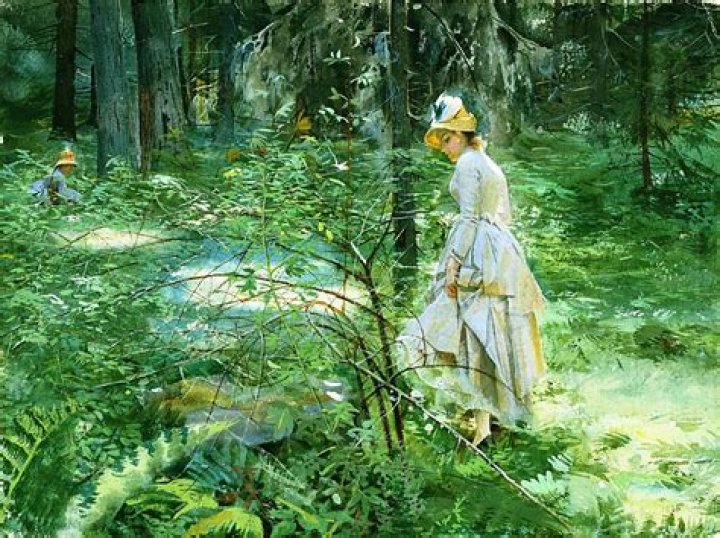
Abraham Licthy (1864-1948) was an American artist known for his landscape paintings and his role in promoting art in Indiana.
Licthy was born in Morgan County, Indiana, and studied art at the John Herron Art Institute in Indianapolis. He later studied in Paris, where he was influenced by the Barbizon School of painting. Licthy's paintings are characterized by their soft, muted colors and their focus on the natural beauty of the Indiana landscape.
Licthy was a founding member of the Indiana Artists' Club and the Society of Western Artists. He also served as director of the John Herron Art Institute from 1912 to 1934 and was instrumental in establishing the Indiana State Museum's art collection.
Licthy's work is represented in many public and private collections, including the Indianapolis Museum of Art, the Herron School of Art and Design, and the Indiana State Museum.
Abraham Licthy
Abraham Licthy (1864-1948) was an American artist known for his landscape paintings and his role in promoting art in Indiana. His work is characterized by its soft, muted colors and its focus on the natural beauty of the Indiana landscape. Licthy was a founding member of the Indiana Artists' Club and the Society of Western Artists. He also served as director of the John Herron Art Institute from 1912 to 1934 and was instrumental in establishing the Indiana State Museum's art collection.
- Artist: Licthy was a talented painter known for his landscapes.
- Teacher: He taught at the John Herron Art Institute and influenced many students.
- Arts advocate: Licthy was a founding member of the Indiana Artists' Club and the Society of Western Artists.
- Museum director: He served as director of the John Herron Art Institute from 1912 to 1934.
- Collector: Licthy was instrumental in establishing the Indiana State Museum's art collection.
- Hoosier Group: Licthy was a member of the Hoosier Group, a group of Indiana artists who painted in the late 19th and early 20th centuries.
- Tonalist: Licthy's paintings are characterized by their soft, muted colors.
- Barbizon School: Licthy was influenced by the Barbizon School of painting, which emphasized painting outdoors.
- Indiana landscape: Licthy's paintings often depicted the natural beauty of the Indiana landscape.
- Legacy: Licthy's work is represented in many public and private collections, including the Indianapolis Museum of Art, the Herron School of Art and Design, and the Indiana State Museum.
Licthy's work is a valuable contribution to the history of American art. His paintings capture the beauty of the Indiana landscape and provide a glimpse into the life and culture of the state in the late 19th and early 20th centuries.
Artist
Abraham Licthy was a talented painter known for his landscapes. His work is characterized by its soft, muted colors and its focus on the natural beauty of the Indiana landscape. Licthy was a founding member of the Indiana Artists' Club and the Society of Western Artists. He also served as director of the John Herron Art Institute from 1912 to 1934 and was instrumental in establishing the Indiana State Museum's art collection.
Licthy's work as an artist is significant because it captures the beauty of the Indiana landscape and provides a glimpse into the life and culture of the state in the late 19th and early 20th centuries. His paintings are a valuable contribution to the history of American art.
One of Licthy's most famous paintings is "Autumn Landscape" (1910), which is now in the collection of the Indianapolis Museum of Art. The painting depicts a rural Indiana landscape with rolling hills, a winding river, and a group of trees in the foreground. The colors in the painting are soft and muted, and the overall effect is one of peace and tranquility.
Licthy's work as an artist is a reminder of the beauty of the Indiana landscape and the importance of preserving it. His paintings are a valuable resource for historians and art enthusiasts alike, and they continue to inspire people today.
Teacher
Abraham Licthy was a dedicated and influential teacher at the John Herron Art Institute. He taught at the school for over 20 years, and his students included some of the most prominent Indiana artists of the early 20th century. Licthy's teaching had a profound impact on his students, and he helped to shape the development of art in Indiana.
- Mentorship and Guidance
Licthy provided his students with mentorship and guidance, helping them to develop their artistic skills and knowledge. He was a patient and encouraging teacher who took a personal interest in his students' success. - Artistic Inspiration
Licthy was an inspiring teacher who introduced his students to new ideas and techniques. He encouraged his students to experiment and to develop their own unique artistic styles. - Professional Development
Licthy helped his students to develop their professional careers. He introduced them to potential patrons and collectors, and he helped them to get their work exhibited in galleries and museums. - Legacy
Licthy's teaching had a lasting impact on the development of art in Indiana. His students went on to become successful artists, teachers, and art administrators. They helped to spread Licthy's influence throughout the state and beyond.
Licthy's dedication to teaching helped to shape the development of art in Indiana. He was a gifted teacher who inspired his students to reach their full potential. His legacy continues to live on through the work of his former students.
Arts advocate
Abraham Licthy was a passionate advocate for the arts in Indiana. He was a founding member of the Indiana Artists' Club and the Society of Western Artists, and he played a key role in promoting the work of Indiana artists.
- Promoting Indiana Artists
Licthy was a strong believer in the talent of Indiana artists. He helped to organize exhibitions and competitions that showcased their work, and he lobbied for increased funding for the arts in the state. - Building a Community of Artists
Licthy recognized the importance of community for artists. He helped to establish the Indiana Artists' Club as a place where artists could meet, share ideas, and support each other's work. - Raising the Profile of Indiana Art
Licthy's work as an arts advocate helped to raise the profile of Indiana art on the national and international stage. He helped to organize exhibitions of Indiana art in other states and countries, and he wrote articles and gave lectures about the state's art scene. - Lasting Legacy
Licthy's legacy as an arts advocate continues to this day. The Indiana Artists' Club and the Society of Western Artists are still active organizations, and they continue to promote the work of Indiana artists.
Licthy's work as an arts advocate was essential to the development of art in Indiana. He helped to create a supportive environment for artists, and he raised the profile of Indiana art on the national and international stage. His legacy continues to inspire artists and arts advocates in Indiana today.
Museum director
Abraham Licthy's role as director of the John Herron Art Institute was a significant chapter in his life and career. During his tenure, he oversaw the growth of the museum's collection, expanded its educational programs, and raised its profile on the national stage.
- Expansion of the Collection
Licthy played a key role in expanding the John Herron Art Institute's collection. He acquired works by both American and European artists, including paintings, sculptures, and decorative arts. Under his leadership, the museum's collection grew from a few hundred works to over 10,000. - Educational Programs
Licthy believed that the John Herron Art Institute should be a center for art education. He expanded the museum's educational programs, offering classes and lectures for both children and adults. He also established the Herron School of Art, which is now one of the leading art schools in the country. - National Recognition
Licthy's leadership helped to raise the profile of the John Herron Art Institute on the national stage. He organized major exhibitions of American and European art, and he brought in renowned artists to give lectures and workshops. As a result of his efforts, the John Herron Art Institute became one of the leading art museums in the Midwest.
Licthy's tenure as director of the John Herron Art Institute was a time of great growth and change for the museum. His leadership helped to establish the John Herron Art Institute as one of the leading art museums in the country, and his legacy continues to inspire the museum's staff and visitors today.
Collector
Abraham Licthy's role as a collector was instrumental in establishing the Indiana State Museum's art collection. Licthy began collecting art in the late 19th century, and he amassed a large collection of paintings, sculptures, and decorative arts. In 1924, he donated his collection to the Indiana State Museum, where it formed the foundation of the museum's art collection.
Licthy's collection is significant because it provides a snapshot of the Indiana art scene in the late 19th and early 20th centuries. The collection includes works by some of the most prominent Indiana artists of the period, including William Merritt Chase, T.C. Steele, and Otto Stark. Licthy's collection also includes works by national and international artists, such as Winslow Homer, Mary Cassatt, and Pablo Picasso.
The Indiana State Museum's art collection is one of the most important collections of Indiana art in the world. The collection is a valuable resource for scholars and art enthusiasts alike, and it continues to inspire people today.
Licthy's role as a collector is a reminder of the importance of collecting and preserving art. Collections, both large and small, play an essential role in documenting the history of art and making it accessible to the public.
Hoosier Group
The Hoosier Group was a group of American artists who lived and worked in Indiana in the late 19th and early 20th centuries. The group was named after the state bird of Indiana, the Hoosier. The Hoosier Group artists were known for their landscapes and genre paintings, which often depicted the rural life and scenery of Indiana.
- Artistic Style
The Hoosier Group artists shared a similar artistic style, which was characterized by its realism and attention to detail. Their paintings often depicted everyday scenes of rural life, such as farmers working in the fields or families gathered around the dinner table. - Artistic Community
The Hoosier Group artists formed a close-knit community, and they often painted together and shared ideas. They also organized exhibitions of their work, which helped to raise the profile of Indiana art. - Influence on American Art
The Hoosier Group artists had a significant influence on the development of American art. Their work helped to establish a new, more realistic style of painting, and it inspired other artists to explore the beauty of the American landscape.
Abraham Licthy was one of the most prominent members of the Hoosier Group. He was known for his landscapes, which often depicted the rolling hills and farmland of Indiana. Licthy's work is characterized by its soft, muted colors and its attention to detail. He was also a talented teacher, and he helped to train a new generation of Indiana artists.
Tonalist
Tonalism is a style of painting that emphasizes the use of subtle gradations of color and tone. Tonalist paintings often have a soft, muted look, and they often depict landscapes or other scenes with a sense of atmosphere and mood. Abraham Licthy was a prominent American artist who is known for his tonal paintings of the Indiana landscape.
- Color Palette
Licthy's paintings are characterized by their use of a limited color palette. He often used soft, muted colors, such as grays, browns, and greens. This limited color palette creates a sense of harmony and unity in his paintings. - Atmospheric Effects
Licthy's paintings often depict atmospheric effects, such as fog, mist, or rain. These atmospheric effects create a sense of mood and mystery in his paintings. - Sense of Place
Licthy's paintings often depict the Indiana landscape. He was particularly interested in capturing the changing seasons and the different moods of the landscape. His paintings convey a deep sense of place and a love of the natural world.
Licthy's tonal paintings are a valuable contribution to American art. His work captures the beauty of the Indiana landscape and provides a glimpse into the life and culture of the state in the late 19th and early 20th centuries.
Barbizon School
The Barbizon School was a group of French painters who worked in the mid-19th century. They were known for their landscapes, which were often painted outdoors. The Barbizon School artists were influenced by the work of the Dutch landscape painters of the 17th century, as well as by the Romantic movement. They believed that painting outdoors allowed them to capture the true essence of nature.
Abraham Licthy was an American artist who was influenced by the Barbizon School. He studied in Paris in the late 19th century, and he was exposed to the work of the Barbizon School artists. Licthy was particularly influenced by the work of Jean-Baptiste-Camille Corot, who was one of the leading members of the Barbizon School. Corot's landscapes are characterized by their soft, muted colors and their emphasis on atmosphere. Licthy adopted many of Corot's techniques in his own work.
Licthy's paintings are often compared to the work of the Barbizon School artists. His landscapes are characterized by their soft, muted colors and their emphasis on atmosphere. Licthy also often painted outdoors, and he was able to capture the changing moods of the Indiana landscape in his work.
The Barbizon School had a significant impact on the development of American art. The Barbizon School artists helped to introduce a new, more naturalistic style of painting to America. They also helped to inspire a generation of American artists to paint outdoors.
Indiana landscape
Abraham Licthy was an American artist known for his landscape paintings of the Indiana landscape. His work is characterized by its soft, muted colors and its focus on the natural beauty of the state.
- The Indiana landscape as subject matter
Licthy's paintings often depicted the rolling hills, fields, and forests of Indiana. He was particularly interested in capturing the changing seasons and the different moods of the landscape. - Realism and naturalism
Licthy's paintings are known for their realism and naturalism. He paid close attention to the details of the landscape, and he strove to capture the true essence of the scenes he painted. - Sense of place
Licthy's paintings convey a deep sense of place. He was able to capture the unique character of the Indiana landscape, and his work provides a valuable glimpse into the state's natural beauty. - Influence on American art
Licthy's paintings had a significant influence on the development of American art. His work helped to establish a new, more naturalistic style of landscape painting, and it inspired other artists to explore the beauty of the American landscape.
Licthy's paintings of the Indiana landscape are a valuable contribution to American art. His work captures the beauty of the state and provides a glimpse into the life and culture of the region in the late 19th and early 20th centuries.
Legacy
Abraham Licthy's legacy as an artist is evident in the numerous public and private collections that house his work. These collections include the Indianapolis Museum of Art, the Herron School of Art and Design, and the Indiana State Museum. Licthy's work is also represented in many other museums and galleries across the United States.
- Artistic Value and Recognition
The presence of Licthy's work in these prestigious institutions is a testament to his artistic value and the recognition he has received for his contributions to American art. His paintings are highly sought after by collectors and are often featured in major exhibitions. - Preservation and Accessibility
The fact that Licthy's work is housed in public and private collections ensures its preservation for future generations. These collections provide access to his artwork for scholars, students, and the general public, allowing them to study and appreciate his unique style and subject matter. - Educational Resource
Licthy's paintings serve as valuable educational resources for students and art enthusiasts. They provide insights into the artistic techniques and practices of the late 19th and early 20th centuries. His work can also be used to teach about the history and culture of Indiana. - Cultural Significance
The presence of Licthy's work in these collections contributes to the cultural heritage of Indiana and the United States. His paintings capture the beauty of the Indiana landscape and provide a glimpse into the life and times of the state's early settlers. They are a valuable asset to the cultural landscape of the region.
The fact that Abraham Licthy's work is represented in so many public and private collections is a testament to his enduring legacy as an artist. His paintings continue to be appreciated and enjoyed by people all over the world.
FAQs about Abraham Licthy
Here are some frequently asked questions about Abraham Licthy, an American artist known for his landscape paintings of the Indiana landscape:
Question 1: What is Abraham Licthy best known for?
Answer: Abraham Licthy is best known for his landscape paintings of the Indiana landscape. His work is characterized by its soft, muted colors and its focus on the natural beauty of the state.
Question 2: Where can I see Licthy's work?
Answer: Licthy's work is represented in many public and private collections, including the Indianapolis Museum of Art, the Herron School of Art and Design, and the Indiana State Museum.
Question 3: What is the significance of Licthy's work?
Answer: Licthy's work is significant because it captures the beauty of the Indiana landscape and provides a glimpse into the life and culture of the state in the late 19th and early 20th centuries.
Question 4: What was Licthy's artistic style?
Answer: Licthy's artistic style was characterized by its realism and attention to detail. He often used soft, muted colors and paid close attention to the changing seasons and the different moods of the landscape.
Question 5: What is Licthy's legacy?
Answer: Licthy's legacy is as a talented artist and dedicated teacher who helped to shape the development of art in Indiana. His work continues to be appreciated and enjoyed by people all over the world.
Summary: Abraham Licthy was a significant American artist whose work captured the beauty of the Indiana landscape. His paintings are a valuable contribution to American art and continue to be enjoyed by people today.
Transition: To learn more about Abraham Licthy and his work, please visit the following resources:
- Indianapolis Museum of Art
- Herron School of Art and Design
- Indiana State Museum
Tips by Abraham Licthy
Abraham Licthy was an American artist known for his landscape paintings of the Indiana landscape. He was also a dedicated teacher and arts advocate. Here are a few tips from Licthy that can help you improve your own artistic skills:
Tip 1: Focus on the beauty of nature.
Licthy's paintings are known for their soft, muted colors and their focus on the natural beauty of the Indiana landscape. He believed that artists should strive to capture the beauty of the world around them.
Tip 2: Pay attention to the details.
Licthy was a master of detail. He paid close attention to the changing seasons and the different moods of the landscape. This attention to detail is evident in all of his work.
Tip 3: Use soft, muted colors.
Licthy's paintings are often characterized by their soft, muted colors. He believed that these colors helped to create a sense of peace and tranquility.
Tip 4: Experiment with different techniques.
Licthy was always experimenting with new techniques. He was one of the first artists to use oil paints outdoors. He also experimented with different ways of applying paint to canvas.
Tip 5: Teach others about art.
Licthy was a dedicated teacher. He taught at the John Herron Art Institute for over 20 years. He believed that it was important to share his knowledge and passion for art with others.
Summary:
Abraham Licthy was a talented artist and dedicated teacher. His tips can help you improve your own artistic skills. By focusing on the beauty of nature, paying attention to the details, using soft, muted colors, experimenting with different techniques, and teaching others about art, you can create your own beautiful works of art.
Transition:
To learn more about Abraham Licthy and his work, please visit the following resources:
- Indianapolis Museum of Art
- Herron School of Art and Design
- Indiana State Museum
Conclusion
Abraham Licthy was a talented artist and dedicated teacher who made significant contributions to the development of art in Indiana. His landscape paintings capture the beauty of the state's natural beauty, and his work continues to be appreciated and enjoyed by people all over the world.
Licthy's legacy is as a gifted artist, dedicated teacher, and passionate arts advocate. His work helped to shape the development of art in Indiana, and his tips can help artists of all levels improve their skills. By focusing on the beauty of nature, paying attention to the details, using soft, muted colors, experimenting with different techniques, and teaching others about art, you can create your own beautiful works of art.
Unveiling Dayle McLeod: A Journey Into Artistic Innovation And Discovery
Unveiling The Secrets Of Caviar Russe: A Culinary Journey Of Discovery
Unveiling The Enigmatic Mary Cosby: Secrets Unraveled From 'Real Housewives'
Erin Yitzhari, Abraham Lichy Weddings The New York Times
"Flirting a little bit is OK" RHONY cast member Erin Lichy opens up
