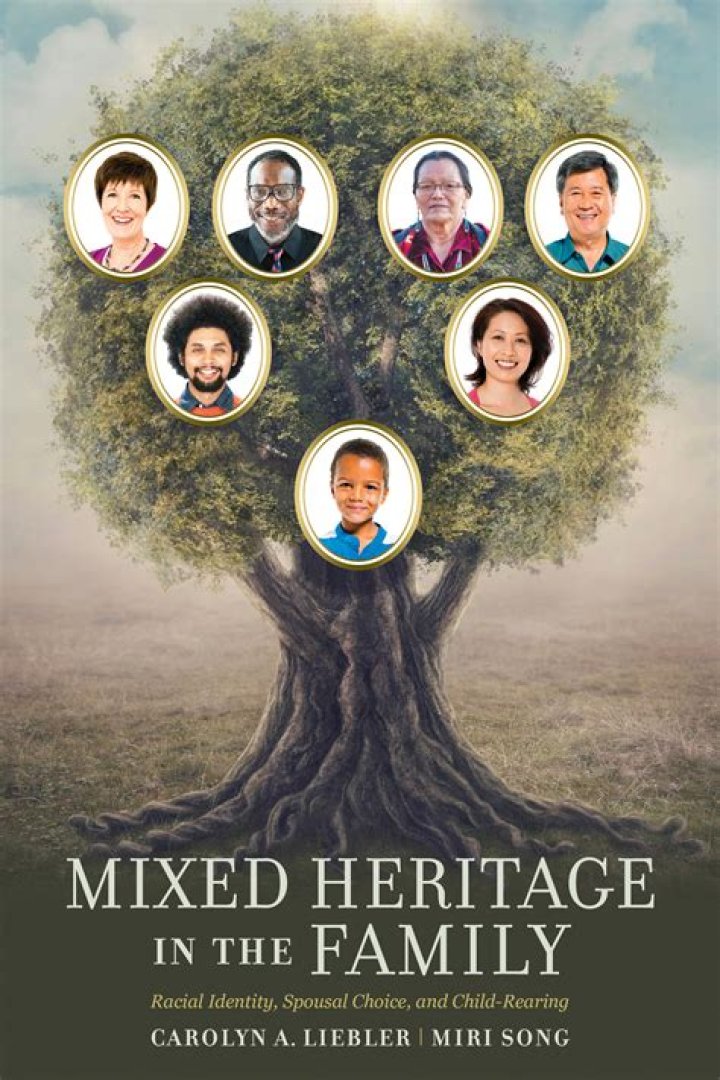
Cassie's ethnicity, as well as her parents' ethnicities, play a significant role in shaping her identity and experiences. Cassie is a young woman of mixed race, with one black parent and one white parent. This gives her a unique perspective on the world, and it allows her to see both the challenges and the benefits of living in a multicultural society.
Cassie's parents have always been supportive of her, and they have taught her to be proud of her heritage. They have also taught her the importance of accepting and respecting people of all races and cultures. Cassie's parents are role models for her, and they have helped her to become a strong and confident young woman.
Cassie's story is just one example of the many ways that ethnicity can shape a person's life. It is a reminder that we are all unique, and that we should celebrate our differences. Cassie's story is also a reminder that we can all learn from each other, and that we can all benefit from living in a diverse and inclusive society.
Cassie's Ethnicity and Parents
Cassie's ethnicity, as well as her parents' ethnicities, play a significant role in shaping her identity and experiences. Here are 10 key aspects to consider:
- Mixed race: Cassie is of mixed race, with one black parent and one white parent.
- Cultural identity: Cassie's ethnicity influences her cultural identity and sense of belonging.
- Racial socialization: Cassie's parents have played a significant role in her racial socialization and development.
- Family dynamics: Cassie's family dynamics are shaped by her parents' different ethnic backgrounds.
- Social interactions: Cassie's ethnicity affects her social interactions and relationships with others.
- Discrimination and prejudice: Cassie may face discrimination and prejudice due to her mixed-race heritage.
- Racism and inequality: Cassie's experiences can shed light on the broader issues of racism and inequality in society.
- Intersectionality: Cassie's ethnicity intersects with other aspects of her identity, such as her gender and socioeconomic status.
- Resilience and strength: Cassie's mixed-race heritage can be a source of strength and resilience for her.
- Representation and visibility: Cassie's story can help to increase representation and visibility for mixed-race individuals.
These key aspects provide a comprehensive understanding of the complex and multifaceted nature of Cassie's ethnicity and parents. Her experiences highlight the importance of embracing diversity, challenging stereotypes, and creating a more inclusive and equitable society.
Mixed race
The fact that Cassie is of mixed race, with one black parent and one white parent, is a significant aspect of her identity and experiences. It shapes her cultural identity, her racial socialization, and her family dynamics. It also affects her social interactions, relationships with others, and the way she is perceived by society.
- Racial identity: Cassie's mixed-race heritage gives her a unique racial identity. She may identify as both black and white, or she may identify with a mixed-race label such as biracial or multiracial.
- Racial socialization: Cassie's parents have played a significant role in her racial socialization. They have taught her about the history and culture of both black and white people, and they have helped her to develop a positive racial identity.
- Family dynamics: Cassie's family dynamics are shaped by her parents' different racial backgrounds. Her parents may have different cultural values and beliefs, and they may have different experiences with racism and discrimination.
- Social interactions: Cassie's mixed-race heritage affects her social interactions. She may experience discrimination and prejudice from both black and white people. She may also find it difficult to fit in with either group.
Cassie's experiences as a mixed-race person can help us to understand the challenges and benefits of living in a multicultural society. Her story can also help us to challenge stereotypes and to create a more inclusive and equitable world.
Cultural identity
Cassie's ethnicity is a significant part of her cultural identity and sense of belonging. It shapes her values, beliefs, and traditions. It also influences her sense of connection to her community and to the wider world.
- Racial identity: Cassie's mixed-race heritage gives her a unique racial identity. She may identify as both black and white, or she may identify with a mixed-race label such as biracial or multiracial. Her racial identity influences her sense of belonging and her experiences in the world.
- Cultural values and beliefs: Cassie's ethnicity influences her cultural values and beliefs. She may have different cultural values and beliefs than her black parent and her white parent. These differences can shape her sense of identity and her relationships with others.
- Traditions and customs: Cassie's ethnicity influences her traditions and customs. She may celebrate different holidays and traditions than her black parent and her white parent. These differences can shape her sense of identity and her connection to her community.
- Sense of community: Cassie's ethnicity influences her sense of community. She may feel a sense of belonging to both the black community and the white community. She may also feel a sense of belonging to a mixed-race community. Her sense of community can shape her identity and her experiences in the world.
Cassie's experiences highlight the importance of cultural identity and sense of belonging. They also show how ethnicity can shape a person's life in many ways.
Racial socialization
Racial socialization is the process by which children learn about race and ethnicity. It is a complex and ongoing process that begins in early childhood and continues throughout adolescence and adulthood. Parents are one of the most important agents of racial socialization, and they play a significant role in shaping their children's racial identity and attitudes.
In Cassie's case, her parents have played a significant role in her racial socialization and development. They have taught her about the history and culture of both black and white people, and they have helped her to develop a positive racial identity. Cassie's parents have also taught her about the importance of challenging racism and discrimination, and they have encouraged her to be an advocate for social justice.
Cassie's experiences are a reminder that parents play a vital role in their children's racial socialization. Parents can help their children to develop a positive racial identity, to challenge racism and discrimination, and to become advocates for social justice.
Here are some tips for parents on how to promote positive racial socialization:
- Talk to your children about race and ethnicity early and often.
- Be honest about the history of racism and discrimination.
- Help your children to develop a positive racial identity.
- Encourage your children to challenge racism and discrimination.
- Be a role model for your children.
Family dynamics
The fact that Cassie's parents have different ethnic backgrounds can have a significant impact on her family dynamics. For example, her parents may have different cultural values and beliefs, which can lead to conflict and tension. Additionally, her parents may have different experiences with racism and discrimination, which can also affect the family dynamics.
For example, if Cassie's black parent has experienced racism and discrimination, they may be more protective of Cassie and her siblings. They may also be more likely to talk to Cassie about the importance of racial equality and social justice. On the other hand, if Cassie's white parent has not experienced racism and discrimination, they may be less aware of the challenges that Cassie and her siblings may face. This can lead to misunderstandings and conflict.
It is important to note that family dynamics are complex and are influenced by a variety of factors, including ethnicity, race, culture, and socioeconomic status. However, the fact that Cassie's parents have different ethnic backgrounds is an important factor that can shape her family dynamics.
Understanding the connection between family dynamics and ethnicity is important for a number of reasons. First, it can help us to understand the challenges that mixed-race families face. Second, it can help us to develop strategies to support mixed-race families. Third, it can help us to create a more inclusive and equitable society.
Social interactions
Cassie's ethnicity affects her social interactions and relationships with others in a number of ways. For example, she may experience discrimination and prejudice from both black and white people. She may also find it difficult to fit in with either group.
One of the most significant challenges that Cassie faces is the fact that she may be perceived as an outsider by both black and white people. This can make it difficult for her to develop close relationships with people from either group. Additionally, Cassie may experience discrimination and prejudice from both black and white people. This can make it difficult for her to feel comfortable and accepted in her own community.
Despite the challenges that she faces, Cassie's ethnicity can also be a source of strength and resilience. She may be able to draw on her experiences to develop a strong sense of self and to become an advocate for social justice.Understanding the connection between Cassie's ethnicity and her social interactions is important for a number of reasons. First, it can help us to understand the challenges that mixed-race people face. Second, it can help us to develop strategies to support mixed-race people. Third, it can help us to create a more inclusive and equitable society.Discrimination and prejudice
Discrimination and prejudice are significant aspects of "cassie ethnicity parents" as they stem from the intersection of Cassie's mixed-race heritage and societal biases. The prejudice Cassie faces is rooted in the flawed concept of racial superiority and difference, leading to negative attitudes and behaviors towards her.
Experiences of discrimination and prejudice can profoundly impact Cassie's life, affecting her sense of belonging, self-esteem, and opportunities. She may encounter subtle or overt forms of discrimination in various settings, such as social interactions, education, employment, and housing. Understanding this connection is crucial for addressing the systemic issues that perpetuate discrimination and prejudice against mixed-race individuals.
By acknowledging the prevalence of discrimination and prejudice faced by mixed-race people like Cassie, we can work towards creating a more equitable and inclusive society. This involves challenging stereotypes, promoting diversity, and implementing anti-discrimination laws and policies. Only through collective efforts can we foster a society where individuals like Cassie are valued and respected regardless of their racial background.
Racism and inequality
The connection between "Racism and inequality: Cassie's experiences can shed light on the broader issues of racism and inequality in society." and "cassie ethnicity parents" is significant because it highlights the systemic nature of racism and inequality and its impact on mixed-race individuals.
Cassie's experiences as a mixed-race person can provide valuable insights into the ways in which racism and inequality manifest in society. For example, her experiences of discrimination and prejudice can shed light on the subtle and overt forms of racism that mixed-race people face on a daily basis. Additionally, her experiences can help us to understand the ways in which racism and inequality intersect with other forms of oppression, such as sexism and classism.
Understanding the connection between "Racism and inequality: Cassie's experiences can shed light on the broader issues of racism and inequality in society." and "cassie ethnicity parents" is important because it allows us to see how racism and inequality are embedded in our social institutions and structures. This understanding can help us to develop more effective strategies for combating racism and inequality and creating a more just and equitable society.
Intersectionality
The connection between "Intersectionality: Cassie's ethnicity intersects with other aspects of her identity, such as her gender and socioeconomic status." and "cassie ethnicity parents" is significant because it highlights the complex and multifaceted nature of identity and the ways in which different aspects of our identity can intersect to shape our experiences.
- Gender: Cassie's experiences as a mixed-race woman are shaped by both her ethnicity and her gender. She may experience discrimination and prejudice based on both her race and her gender, and she may face unique challenges and barriers that are specific to her intersectional identity.
- Socioeconomic status: Cassie's socioeconomic status also intersects with her ethnicity and gender to shape her experiences. For example, a mixed-race woman from a low-income background may face different challenges than a mixed-race woman from a high-income background. Additionally, her socioeconomic status may affect her access to resources and opportunities, which can further shape her experiences.
Understanding the connection between "Intersectionality: Cassie's ethnicity intersects with other aspects of her identity, such as her gender and socioeconomic status." and "cassie ethnicity parents" is important because it allows us to see how different aspects of our identity can intersect to create unique and complex experiences. This understanding can help us to develop more inclusive and equitable policies and practices that take into account the multiple dimensions of identity.
Resilience and strength
The connection between "Resilience and strength: Cassie's mixed-race heritage can be a source of strength and resilience for her." and "cassie ethnicity parents" is significant because it highlights the potential for personal growth and empowerment that can emerge from navigating the challenges associated with a mixed-race identity.
- Embracing Cultural Heritage: Cassie's mixed-race heritage exposes her to diverse cultural perspectives and values, fostering a sense of cultural richness and pride. This exposure can strengthen her sense of self and provide a foundation for resilience.
- Developing a Strong Sense of Identity: The process of reconciling and embracing her multiple racial identities can lead Cassie to develop a nuanced and multifaceted sense of self. This strong sense of identity can serve as a source of resilience, helping her navigate social and cultural complexities.
- Building Bridges and Fostering Inclusivity: Cassie's experiences as a mixed-race person can foster empathy and understanding towards others. She may become an advocate for inclusivity and challenge stereotypes, promoting a more just and equitable society.
- Finding Community and Support: Connecting with other mixed-race individuals or communities can provide Cassie with a sense of belonging and support. Sharing experiences and perspectives can validate her identity and build a strong support network.
In conclusion, the resilience and strength that Cassie derives from her mixed-race heritage empowers her to navigate the complexities of her identity, challenge societal norms, and make positive contributions to her community. Her experiences highlight the potential for growth and resilience that can arise from embracing and celebrating diverse identities.
Representation and visibility
The connection between "Representation and visibility: Cassie's story can help to increase representation and visibility for mixed-race individuals." and "cassie ethnicity parents" is significant because it highlights the importance of diverse representation in shaping societal perceptions and fostering a sense of belonging and empowerment for mixed-race individuals.
- Breaking Down Stereotypes: Cassie's story challenges narrow and stereotypical portrayals of mixed-race people, showcasing the diversity and complexity of their experiences and identities.
- Empowering Mixed-Race Youth: When mixed-race individuals see themselves reflected in media, literature, and other cultural narratives, it can boost their self-esteem, reduce feelings of isolation, and inspire them to embrace their unique identities.
- Fostering Inclusivity: Cassie's story encourages viewers and readers to question their own assumptions and biases about race and ethnicity, promoting a more inclusive and tolerant society.
- Inspiring Social Change: By increasing the visibility of mixed-race individuals, Cassie's story can contribute to broader social change, such as advocating for policies that support the rights and well-being of mixed-race communities.
In conclusion, the representation and visibility provided by Cassie's story play a crucial role in breaking down stereotypes, empowering mixed-race individuals, fostering inclusivity, and inspiring social change. By showcasing the diverse experiences and identities of mixed-race people, her story contributes to a more accurate and just representation of our society.
FAQs Regarding "cassie ethnicity parents"
This section addresses frequently asked questions (FAQs) related to "cassie ethnicity parents," providing concise and informative answers to common concerns and misconceptions.
Question 1: How does Cassie's mixed-race heritage influence her identity?Cassie's mixed-race heritage shapes her identity in multifaceted ways. It influences her cultural values, racial socialization, and sense of belonging. She navigates the complexities of embracing both her black and white heritage, fostering a unique and nuanced self-perception.
Question 2: What are the challenges Cassie may face due to her mixed-race background?Cassie may encounter various challenges due to her mixed-race background. She may experience discrimination and prejudice from both black and white communities, feeling like an outsider in both worlds. Additionally, she may struggle with forming a cohesive racial identity, as society often categorizes individuals into traditional racial groups.
Question 3: How can Cassie's experiences contribute to a broader understanding of race and ethnicity?Cassie's experiences offer valuable insights into the complexities of race and ethnicity. Her story sheds light on the subtle and overt forms of discrimination faced by mixed-race individuals. By examining her journey, we can gain a deeper understanding of the social and cultural factors that shape racial identities.
Question 4: What is the significance of Cassie's representation in media and literature?Cassie's representation in media and literature is crucial for increasing visibility and breaking down stereotypes. By showcasing her unique perspective, she challenges narrow societal perceptions of race and ethnicity. Her story empowers mixed-race individuals, fostering a sense of belonging and inspiring them to embrace their identities.
Question 5: How does Cassie's mixed-race heritage impact her relationships with others?Cassie's mixed-race heritage influences her relationships with others in both positive and challenging ways. She may find it easier to connect with individuals who share similar experiences, but she may also face misunderstandings or biases from those who do not understand her background.
Question 6: What are some important considerations for parents of mixed-race children?Parents of mixed-race children play a vital role in shaping their children's racial identity and experiences. They should provide a supportive and open environment, encouraging their children to explore and embrace their unique heritage. It is crucial for parents to educate themselves about the challenges and opportunities that mixed-race children may encounter and to advocate for their rights and well-being.
Understanding these FAQs can contribute to a more informed and nuanced understanding of "cassie ethnicity parents," highlighting the complexities and richness of mixed-race experiences.
Transition to the next article section:
In the following section, we will delve deeper into the topic of "cassie ethnicity parents," exploring the historical and cultural contexts that have shaped these experiences.
Tips for Parents of Mixed-Race Children
Parents of mixed-race children play a vital role in shaping their children's racial identity and experiences. Here are five tips to consider:
Tip 1: Provide a Supportive and Open EnvironmentCreate a home where your child feels comfortable exploring and embracing their unique heritage. Encourage open dialogue about race and ethnicity, and answer your child's questions honestly and thoughtfully.
Tip 2: Educate YourselfLearn about the challenges and opportunities that mixed-race children may encounter. Stay informed about current events and research on racial identity development, and seek out resources to support your child's journey.
Tip 3: Embrace DiversityExpose your child to diverse perspectives and cultures. Attend multicultural events, read books featuring mixed-race characters, and encourage friendships with children from different backgrounds.
Tip 4: Advocate for Your ChildBe an advocate for your child's rights and well-being. Speak up against discrimination or bias, and work with your child's school and community to create an inclusive environment.
Tip 5: Celebrate Your Child's Unique IdentityRecognize and celebrate your child's unique blend of cultures and heritage. Encourage them to take pride in their identity and to share their experiences with others.
By following these tips, parents can help their mixed-race children develop a strong and positive racial identity, navigate the complexities of their experiences, and thrive in a diverse society.
Conclusion:
Parenting mixed-race children requires sensitivity, understanding, and a commitment to creating a supportive and inclusive environment. By embracing these tips, parents can empower their children to embrace their unique identities and make meaningful contributions to society.
Conclusion
The exploration of "cassie ethnicity parents" has highlighted the complex and multifaceted nature of identity, the challenges and opportunities faced by mixed-race individuals, and the importance of representation and visibility. Cassie's experiences serve as a reminder of the need for a more inclusive and just society, where individuals are valued and respected regardless of their racial or ethnic background.
As we move forward, it is crucial to continue fostering dialogue, breaking down stereotypes, and creating spaces where mixed-race individuals feel empowered and celebrated. By embracing diversity and challenging societal norms, we can create a world where all individuals have the opportunity to thrive and reach their full potential.
