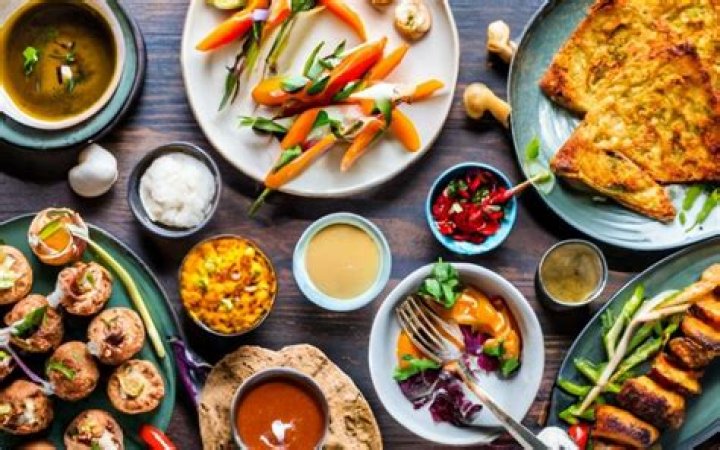
Pho today Philadelphia is a popular Vietnamese soup dish that is made with rice noodles, broth, and meat. The broth is typically made from beef or chicken bones, and the meat can be beef, chicken, or pork. Pho is often served with fresh herbs, such as cilantro and basil, and bean sprouts.
Pho is a delicious and healthy dish that is enjoyed by people of all ages. It is a good source of protein, carbohydrates, and vitamins. Pho is also a low-fat and low-calorie dish, making it a good choice for people who are trying to lose weight or eat a healthy diet.
Pho has a long history in Vietnam, and it is believed to have originated in the early 1900s. Pho is now a popular dish all over the world, and it can be found in many Vietnamese restaurants.
Pho Today Philadelphia
Pho, a beloved Vietnamese soup, has become a culinary cornerstone in Philadelphia. It offers a symphony of flavors and textures, captivating the taste buds of Philadelphians. Let's delve into eight key aspects that define pho today in Philadelphia:
- Noodles: Delicate rice noodles, the foundation of pho.
- Broth: Rich, flavorful broth, simmered for hours with beef or chicken.
- Meat: Sliced beef, chicken, or pork, adding protein and umami.
- Herbs: Cilantro, basil, and mint, providing freshness and aroma.
- Vegetables: Bean sprouts, onions, and scallions, adding crunch and color.
- Lime: A squeeze of lime juice, enhancing flavors and balancing the richness.
- Hoisin sauce: A sweet and savory sauce, adding depth to the soup.
- Sriracha: A spicy chili sauce, adding an optional kick of heat.
These key aspects intertwine to create the essence of pho today in Philadelphia. The delicate noodles soak up the savory broth, while the tender meat provides a satisfying bite. Fresh herbs and vegetables lend vibrancy and freshness, while lime, hoisin sauce, and sriracha allow for customization of flavors. Each element contributes to the harmonious symphony of pho, making it a beloved dish that nourishes both body and soul.
Noodles
In the culinary landscape of pho today in Philadelphia, delicate rice noodles stand as the cornerstone, anchoring the dish's identity and contributing to its enduring popularity. These thin, translucent noodles, made from finely ground rice flour, are a defining characteristic of pho.
- Texture and Consistency: Rice noodles provide a unique textural experience in pho. They are soft and slippery, absorbing the rich broth while maintaining a slight chewiness. This textural contrast adds depth and complexity to the dish.
- Flavor Absorption: The delicate nature of rice noodles allows them to readily absorb the flavorful broth, becoming infused with the savory essence of beef or chicken. This symbiotic relationship between noodles and broth creates a harmonious balance of flavors.
- Cultural Significance: Rice noodles are deeply ingrained in Vietnamese cuisine and hold cultural significance. They represent the staple food of the Vietnamese people and are a symbol of comfort and nourishment.
- Variety and Customization: Rice noodles come in various shapes and sizes, catering to different regional preferences. In Philadelphia, pho restaurants offer a range of noodle options, allowing customers to customize their bowls based on thickness and texture.
The delicate rice noodles in pho today Philadelphia are not merely a culinary component but an integral part of the dish's identity. They embody the essence of Vietnamese cuisine, providing a foundation for the harmonious interplay of flavors and textures that define pho.
Broth
In the realm of pho today Philadelphia, the broth reigns supreme as the lifeblood of this beloved dish. Simmered patiently for hours, the broth forms the foundation upon which all other elements harmoniously converge.
- Culinary Cornerstone: The broth in pho today Philadelphia is not merely a liquid base but a culinary masterpiece in its own right. Its rich, flavorful profile sets the stage for the interplay of noodles, meat, and herbs, creating a symphony of tastes.
- Hours of Dedication: Crafting the perfect broth requires dedication and time. Beef or chicken bones are meticulously simmered for hours, releasing their essence and creating a deeply savory and aromatic liquid. This slow and careful process is a testament to the passion and culinary expertise behind pho today Philadelphia.
- Flavorful Symphony: The broth in pho today Philadelphia is a melting pot of flavors, a harmonious blend of umami, sweetness, and spice. Beef broth offers a rich and meaty depth, while chicken broth provides a lighter and more delicate base. The addition of aromatics such as ginger, star anise, and cloves further enhances the complexity of the broth.
- Regional Variations: While the essence of the broth remains consistent across pho today Philadelphia, subtle regional variations exist. Some restaurants may prefer a darker, more robust broth, while others opt for a lighter and more broth. These variations reflect the diverse culinary heritage of Vietnam and add to the tapestry of flavors that define pho today Philadelphia.
The broth in pho today Philadelphia is more than just a culinary component; it is the soul of the dish. Its rich flavors, the result of hours of dedication and expertise, captivate taste buds and leave a lasting impression on the palate.
Meat
In the culinary landscape of pho today Philadelphia, meat plays a starring role, adding protein and umami to this beloved dish. Sliced thinly and cooked to perfection, beef, chicken, or pork complements the delicate rice noodles and flavorful broth, creating a harmonious symphony of textures and flavors.
The choice of meat in pho today Philadelphia is not merely a matter of preference but a reflection of the dish's diverse origins and regional variations. Beef, with its rich and robust flavor, is a popular choice, adding a hearty and satisfying element to the soup. Chicken, with its lighter and more delicate taste, provides a subtler protein base, allowing the other flavors of the pho to shine through. Pork, with its versatility and adaptability, offers a middle ground, balancing the richness of beef and the lightness of chicken.
Beyond its culinary significance, the meat in pho today Philadelphia also holds practical importance. As a source of protein, it provides essential nutrients for the body, making pho a nourishing and satisfying meal. The umami content of the meat further enhances the overall flavor profile of the pho, creating a crave-worthy and unforgettable taste experience.
In conclusion, the meat component in pho today Philadelphia is not just an ingredient but an integral part of the dish's identity. Its choice, preparation, and flavor contribute significantly to the overall sensory experience, making pho a beloved culinary treasure in Philadelphia.
Herbs
In the culinary landscape of pho today Philadelphia, herbs play a pivotal role in elevating the dish to its aromatic glory. Cilantro, basil, and mint, the holy trinity of Vietnamese cuisine, are indispensable ingredients that contribute freshness, vibrancy, and a distinctive herbaceousness to the pho experience.
The addition of these herbs is not merely a garnish but an integral part of the pho-making process. Cilantro, with its bright and citrusy notes, cuts through the richness of the broth, providing a refreshing contrast. Basil, with its earthy and slightly peppery flavor, adds depth and complexity to the overall taste profile. Mint, with its cooling and aromatic properties, provides a refreshing balance, preventing the pho from becoming overly heavy or cloying.
Beyond their culinary significance, these herbs also hold practical importance. Cilantro is known for its detoxifying properties, aiding in digestion and soothing the stomach. Basil possesses antibacterial and anti-inflammatory properties, contributing to the pho's reputation as a comforting and restorative dish. Mint, with its carminative properties, helps reduce bloating and gas, making pho a more enjoyable experience.
In conclusion, the herbs in pho today Philadelphia are not just decorative elements but essential components that elevate the dish to its full potential. Their freshness, aroma, and health benefits make them indispensable ingredients in the pho experience, contributing to the dish's popularity and enduring appeal in Philadelphia.
Vegetables
In the culinary landscape of pho today Philadelphia, vegetables play a crucial role in enhancing the dish's texture, flavor, and visual appeal. Bean sprouts, onions, and scallions, the trio of crunchy and colorful vegetables, are indispensable components that contribute significantly to the overall pho experience.
The addition of these vegetables is not merely a decorative touch but a carefully considered culinary decision. Bean sprouts, with their delicate crunch and mild flavor, provide a textural contrast to the soft noodles and tender meat. Onions, with their sharp and slightly sweet taste, add depth and complexity to the broth, while scallions, with their vibrant green color and mild oniony flavor, provide a refreshing and aromatic balance.
Beyond their culinary significance, these vegetables also possess practical benefits. Bean sprouts are a good source of fiber, vitamins, and minerals, contributing to the nutritional value of pho. Onions contain antioxidants and anti-inflammatory compounds, while scallions are known for their antibacterial and antiviral properties.
In conclusion, the vegetables in pho today Philadelphia are not just embellishments but essential components that elevate the dish to its full potential. Their crunch, color, and nutritional value make them indispensable ingredients in the pho experience, contributing to the dish's popularity and enduring appeal in Philadelphia.
Lime
In the culinary landscape of pho today Philadelphia, lime plays a crucial role in enhancing the dish's overall flavor profile and balancing its richness. A squeeze of lime juice adds a vibrant and refreshing citrus note, cutting through the savory and aromatic broth and providing a delightful contrast to the tender meat and soft noodles.
- Acidity and Brightness: Lime juice contributes a natural acidity to pho, which helps brighten the flavors of the other ingredients. It balances the richness of the broth and prevents the dish from becoming overly heavy or cloying.
- Depth of Flavor: Lime juice adds a layer of complexity to the pho's flavor profile. Its citrus notes complement the umami-rich broth, creating a harmonious and well-rounded taste experience.
- Appetite Stimulation: The acidity of lime juice stimulates the appetite and aids in digestion. It helps prepare the palate for the savory flavors of pho and enhances the overall enjoyment of the dish.
- Garnish and Presentation: Lime wedges are often served as a garnish alongside pho, allowing diners to adjust the citrus intensity to their preference. They also add a vibrant pop of color to the dish, enhancing its visual appeal.
In conclusion, the squeeze of lime juice in pho today Philadelphia is not merely a finishing touch but an integral part of the dish's identity. Its acidity, depth of flavor, and appetite-stimulating properties contribute significantly to the overall pho experience, making it a beloved and authentic culinary treasure in Philadelphia.
Hoisin sauce
In the culinary landscape of pho today Philadelphia, hoisin sauce stands as a quintessential condiment, adding a unique dimension of flavor to this beloved dish. Its distinct sweet and savory profile enhances the overall taste experience, making it an indispensable component of authentic pho in Philadelphia.
Hoisin sauce is a thick, fermented soybean paste with a rich, slightly sweet flavor and a hint of smokiness. When added to pho, it imparts a complex and harmonious blend of flavors, complementing the savory broth, tender meat, and fresh herbs. Its natural sweetness balances the acidity of the lime juice, while its savory notes add depth and umami to the soup.
Beyond its flavor-enhancing qualities, hoisin sauce also plays a practical role in pho today Philadelphia. Its thick consistency helps to coat the noodles and other ingredients, ensuring that each bite is infused with its delicious flavor. Additionally, hoisin sauce is believed to aid in digestion, making pho a more enjoyable and satisfying meal.
In conclusion, the connection between hoisin sauce and pho today Philadelphia is one of culinary harmony and practical significance. Its unique flavor profile enhances the overall taste experience, while its consistency and digestive properties make it an indispensable condiment in this beloved Philadelphia dish.
Sriracha
In the culinary landscape of pho today Philadelphia, Sriracha has emerged as a popular condiment, adding an optional kick of heat and enhancing the overall flavor experience. Its fiery presence complements the savory broth, tender meat, and fresh herbs, creating a harmonious balance of tastes and sensations.
- Taste and Flavor: Sriracha's distinct flavor profile, characterized by its spicy and slightly sweet notes, adds a layer of complexity to pho. It complements the umami-rich broth, enhancing its savoriness and providing a contrasting heat that stimulates the taste buds.
- Customization and Preference: Sriracha allows for customization of the heat level, catering to individual preferences. Diners can add a few drops for a subtle warmth or a generous drizzle for an intense fiery experience, tailoring the spiciness to their desired intensity.
- Appetite Stimulation: The capsaicin present in Sriracha acts as an appetite stimulant, increasing the production of saliva and gastric juices. This helps prepare the palate for the delicious flavors of pho and enhances the overall enjoyment of the meal.
- Health Benefits: Beyond its taste-enhancing properties, Sriracha contains beneficial compounds such as capsaicinoids, which have antioxidant and anti-inflammatory effects. Adding Sriracha to pho not only elevates its flavor but also provides potential health benefits.
In conclusion, the connection between Sriracha and pho today Philadelphia is one of culinary synergy and personal preference. Its spicy and flavorful profile complements the other elements of pho, while its customizability allows diners to tailor the heat intensity to their liking. Furthermore, Sriracha's potential health benefits add another dimension to its presence in this beloved Philadelphia dish.
FAQs on "Pho Today Philadelphia"
This section addresses frequently asked questions and provides informative answers to enhance understanding of "Pho Today Philadelphia."
Question 1: What is the origin of pho?
Answer: Pho originated in Vietnam in the early 1900s, believed to have emerged from the street food culture in northern Vietnam.
Question 2: What are the key ingredients of pho?
Answer: The essential components of pho include rice noodles, broth (typically made from beef or chicken), meat (beef, chicken, or pork), and an assortment of fresh herbs (such as cilantro, basil, and mint), vegetables (such as bean sprouts and onions), and condiments (such as lime wedges, hoisin sauce, and Sriracha).
Question 3: What are the variations of pho available in Philadelphia?
Answer: Pho in Philadelphia exhibits diverse variations, ranging from traditional styles to contemporary interpretations. Some popular variations include pho bo (beef noodle soup), pho ga (chicken noodle soup), and vegetarian or vegan pho options.
Question 4: What are the health benefits of pho?
Answer: Pho can offer several potential health benefits due to its nutrient-rich ingredients. The broth provides hydration and electrolytes, while the rice noodles supply carbohydrates for energy. The meat and vegetables contribute protein and essential vitamins and minerals. Additionally, the herbs and spices used in pho possess various health-promoting properties.
Question 5: How can I customize my pho order?
Answer: Pho offers ample opportunities for customization. Diners can choose their preferred type of broth, meat, and noodles. They can also adjust the spice level with condiments like Sriracha and hoisin sauce, and add extra toppings such as vegetables or herbs to suit their taste preferences.
Question 6: Where can I find the best pho in Philadelphia?
Answer: Philadelphia boasts a vibrant pho scene with numerous excellent options. Some highly rated pho restaurants include Pho Ha, Pho 75, and Tan Viet. However, personal preferences and exploration are encouraged to discover the most suitable pho spot.
In summary, "Pho Today Philadelphia" represents a culinary experience that combines tradition, flavors, and customization. Understanding the origins, ingredients, variations, and potential health benefits of pho enhances the appreciation of this beloved dish in Philadelphia.
Transitioning to the next article section, we will delve deeper into the cultural significance and culinary artistry of pho in Philadelphia.
Tips for Enhancing Your Pho Experience in Philadelphia
To fully appreciate the culinary delights of pho in Philadelphia, consider these tips:
Choose the Right Restaurant: Explore various pho restaurants in Philadelphia to find the ones that align with your taste preferences. Read reviews and seek recommendations to identify establishments known for their authentic flavors and.
Explore Broth Options: Pho in Philadelphia offers a range of broth options, including beef, chicken, and vegetarian. Consider your dietary preferences and the desired flavor profile when making your choice. Beef broth provides a rich and savory base, while chicken broth offers a lighter and more delicate taste.
Customize Your Bowl: Pho is highly customizable, allowing you to tailor it to your liking. Choose your preferred type of meat, noodles, and vegetables. Don't hesitate to adjust the spice level with condiments like Sriracha and hoisin sauce.
Add Fresh Herbs and Vegetables: Enhance the flavors of your pho by adding an assortment of fresh herbs and vegetables. Cilantro, basil, mint, bean sprouts, and onions are common additions that bring vibrancy and a refreshing touch to the dish.
Savor the Experience: Take your time to savor the complex flavors of pho. Use chopsticks and a soup spoon to enjoy the noodles, broth, and meat in harmony. Don't rush the process; allow each bite to fully.
Experiment with Condiments: Pho offers a variety of condiments that can elevate the taste experience. Sriracha adds a spicy kick, hoisin sauce provides a sweet and savory balance, and lime juice offers a refreshing acidity. Experiment with different combinations to find your favorite flavor profile.
By following these tips, you can maximize your enjoyment of pho in Philadelphia, immersing yourself in the culinary traditions and flavors that make this dish so beloved.
Remember, the best way to experience pho is to approach it with an open mind and a willingness to explore its many variations. Embrace the opportunity to savor the diverse flavors and textures that make pho a culinary treasure in Philadelphia.
Conclusion
Our exploration of "pho today Philadelphia" has unveiled the rich tapestry of flavors, traditions, and cultural significance that define this beloved dish in the City of Brotherly Love. From the delicate rice noodles and flavorful broth to the fresh herbs, tender meat, and vibrant condiments, pho has captured the hearts and taste buds of Philadelphians.
As we look to the future of pho in Philadelphia, we anticipate continued innovation and creativity from the city's vibrant culinary scene. New interpretations and variations of this classic dish will undoubtedly emerge, further enriching the culinary landscape of Philadelphia. Whether enjoyed in a traditional setting or reimagined with contemporary flair, pho will remain a testament to the enduring power of culinary traditions and the ability of food to bring people together.
Unleash Your Creativity: Discover The Art Of Taylor Swift Pumpkin Carving
Doug Reinhardt: Uncovering Hidden Truths And Inspiring Insights
Uncover The Secrets Of Dana Rock: A Geological And Historical Gem
Order Pho 20 Menu Delivery【Menu & Prices】 Philadelphia Uber Eats
Menu at Pho Today Bridgewater restaurant, Bridgewater
