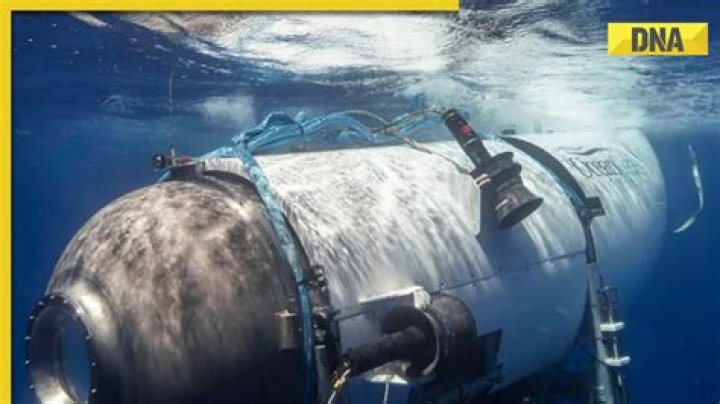
What are "oceangate conspiracy theories"?
Oceangate conspiracy theories are a set of beliefs that allege that the private company Oceangate is involved in a cover-up or deception related to their deep-sea exploration activities.
These theories often center around the idea that Oceangate has discovered something significant during their expeditions, such as evidence of extraterrestrial life or lost civilizations, and is suppressing this information from the public.
There is no credible evidence to support these claims, and Oceangate has repeatedly denied any wrongdoing. However, the theories persist, fueled by a combination of factors, including the public's fascination with the deep sea and the company's own secretive nature.
While these theories are largely harmless, they can also be damaging to Oceangate's reputation and could potentially discourage the company from continuing its exploration work.
Oceangate Conspiracy Theories
Oceangate conspiracy theories are a set of beliefs that allege that the private company Oceangate is involved in a cover-up or deception related to their deep-sea exploration activities.
- Company Secrecy: Oceangate has been criticized for its secretive nature, which has fueled speculation about what they may be hiding.
- Unexplained Discoveries: Some theorists believe that Oceangate has made significant discoveries, such as evidence of extraterrestrial life, but is suppressing this information.
- Government Involvement: There are claims that Oceangate is working with the government to keep certain discoveries secret.
- Lack of Transparency: Oceangate has been accused of being evasive and non-transparent about its activities.
- Sensationalism: Some media outlets have sensationalized Oceangate's activities, which has contributed to the spread of conspiracy theories.
- Public Fascination: The public's fascination with the deep sea and the unknown has made them more receptive to conspiracy theories about Oceangate.
- Lack of Evidence: Despite the many claims, there is no credible evidence to support any of the Oceangate conspiracy theories.
These conspiracy theories are largely harmless, but they can also be damaging to Oceangate's reputation and could potentially discourage the company from continuing its exploration work. It is important to remember that these theories are just thattheoriesand that there is no evidence to support them.
Company Secrecy
Oceangate's secretive nature has been a major contributing factor to the development of conspiracy theories about the company. When a company is secretive, it creates a vacuum of information that can be easily filled with speculation and rumor. This is especially true in the case of Oceangate, which operates in the mysterious and largely unexplored deep sea.
There are a number of reasons why Oceangate may choose to be secretive. The company may be concerned about protecting its intellectual property, or it may simply want to maintain a competitive advantage by keeping its discoveries secret. However, this secrecy has come at a cost. It has fueled speculation and mistrust, and it has made it difficult for Oceangate to build trust with the public.
In order to address the concerns about its secrecy, Oceangate needs to be more transparent about its activities. The company should be willing to share more information about its discoveries, and it should be more open to public scrutiny. This will help to build trust and credibility, and it will make it more difficult for conspiracy theories to take hold.
Unexplained Discoveries
One of the most common Oceangate conspiracy theories is that the company has made a major discovery, such as evidence of extraterrestrial life, but is suppressing this information from the public. This theory is often based on the fact that Oceangate has been very secretive about its activities, and has not released much information about its findings.
There are a number of reasons why Oceangate might choose to suppress such a discovery. The company may be concerned about the public's reaction to such news, or it may be worried about the impact it would have on its business. Additionally, Oceangate may be working with the government to keep the discovery secret for national security reasons.
While there is no evidence to support this theory, it is one of the most persistent and popular Oceangate conspiracy theories. It is important to remember that this is just a theory, and that there is no evidence to support it.
The belief that Oceangate is suppressing a major discovery is a significant component of Oceangate conspiracy theories. It is one of the reasons why people believe that the company is involved in a cover-up or deception. This belief is also fueled by the fact that Oceangate has been very secretive about its activities, and has not released much information about its findings.
It is important to note that there is no evidence to support the claim that Oceangate is suppressing a major discovery. However, this belief is likely to persist as long as Oceangate remains secretive about its activities.
Government Involvement
The claim that Oceangate is working with the government to keep certain discoveries secret is a significant aspect of Oceangate conspiracy theories. This belief is often based on the fact that Oceangate has received funding from government agencies, and that some of its employees have government backgrounds.
- National Security: Some theorists believe that Oceangate is working with the government to keep discoveries secret for national security reasons. This could include discoveries that could be used for military purposes, or discoveries that could damage the country's reputation.
- Economic Interests: Others believe that Oceangate is working with the government to keep discoveries secret for economic reasons. This could include discoveries that could lead to new technologies or resources, which the government could then control.
- Public Relations: Some theorists believe that Oceangate is working with the government to keep discoveries secret for public relations reasons. This could include discoveries that could be controversial or damaging to the government's image.
- Lack of Transparency: Oceangate's lack of transparency has also contributed to the belief that the company is working with the government to keep discoveries secret. The company has been criticized for being secretive about its activities, and for not releasing much information about its findings.
It is important to note that there is no evidence to support the claim that Oceangate is working with the government to keep discoveries secret. However, this belief is likely to persist as long as Oceangate remains secretive about its activities.
Lack of Transparency
Oceangate's lack of transparency has been a major contributing factor to the development of conspiracy theories about the company. When a company is secretive, it creates a vacuum of information that can be easily filled with speculation and rumor. This is especially true in the case of Oceangate, which operates in the mysterious and largely unexplored deep sea.
There are a number of reasons why Oceangate's lack of transparency is a problem. First, it makes it difficult for the public to trust the company. When a company is not transparent about its activities, it is difficult to know what it is doing and why. This can lead to suspicion and mistrust, which can damage the company's reputation.
Second, Oceangate's lack of transparency makes it difficult to hold the company accountable. When a company is not transparent, it is difficult to know if it is operating in a responsible and ethical manner. This can make it difficult to hold the company accountable for its actions, which can lead to problems such as environmental damage or human rights abuses.
Third, Oceangate's lack of transparency can stifle innovation. When a company is not transparent about its activities, it is difficult for other companies to learn from its successes and failures. This can stifle innovation and make it difficult for the industry as a whole to progress.
In conclusion, Oceangate's lack of transparency is a major problem. It damages the company's reputation, makes it difficult to hold the company accountable, and stifles innovation. It is important for Oceangate to become more transparent about its activities in order to address these concerns.
Sensationalism
The sensationalization of Oceangate's activities by some media outlets has played a significant role in the spread of conspiracy theories about the company. When media outlets report on Oceangate's activities in a sensationalized manner, they often focus on the most outlandish and speculative claims, without providing a balanced and accurate view of the company's work.
This type of reporting can lead people to believe that Oceangate is involved in something sinister, even when there is no evidence to support these claims. For example, some media outlets have reported on Oceangate's expeditions to the Mariana Trench as if the company is searching for evidence of extraterrestrial life, even though Oceangate has repeatedly stated that this is not the case.
This type of sensationalized reporting can damage Oceangate's reputation and make it more difficult for the company to conduct its research. It can also lead people to believe in conspiracy theories about Oceangate, even when there is no evidence to support these claims.
It is important for media outlets to report on Oceangate's activities in a responsible and accurate manner. This will help to ensure that the public has a clear and accurate understanding of the company's work, and it will help to reduce the spread of conspiracy theories.
Public Fascination
The public's fascination with the deep sea and the unknown has made them more receptive to conspiracy theories about Oceangate. The deep sea is a mysterious and largely unexplored place, which makes it a fertile ground for speculation and rumor. Additionally, the public is often eager to believe in stories about hidden discoveries and cover-ups, especially when it comes to topics that are beyond their understanding.
This fascination with the deep sea and the unknown has been a major contributing factor to the development of conspiracy theories about Oceangate. Oceangate is a private company that conducts deep-sea exploration missions. The company has been criticized for its secretive nature, and for not releasing much information about its findings. This secrecy has fueled speculation and mistrust, and has made it easier for conspiracy theories to take hold.
There are a number of examples of how the public's fascination with the deep sea and the unknown has led to the development of conspiracy theories about Oceangate. For example, some people believe that Oceangate has discovered evidence of extraterrestrial life, but is suppressing this information from the public. Others believe that Oceangate is working with the government to keep the discovery of lost civilizations secret.
These conspiracy theories are often based on a lack of information and understanding about the deep sea and Oceangate's activities. However, they can be harmful to the company's reputation and can make it difficult for them to conduct their research.
It is important to be aware of the connection between the public's fascination with the deep sea and the unknown and the development of conspiracy theories. This awareness can help us to be more critical of the information that we consume, and to avoid falling prey to conspiracy theories.
Lack of Evidence
The lack of evidence to support Oceangate conspiracy theories is a major reason to be skeptical of them. Conspiracy theories often rely on speculation and conjecture, rather than on evidence. In the case of Oceangate, there is no credible evidence to support any of the claims that have been made about the company. This lack of evidence should give us pause and make us question the validity of these theories.
- Burden of Proof: The burden of proof lies with those making the claims. In the case of Oceangate conspiracy theories, the proponents of these theories have not provided any credible evidence to support their claims. This lack of evidence is a major reason to be skeptical of these theories.
- Extraordinary Claims Require Extraordinary Evidence: The claims made by Oceangate conspiracy theorists are extraordinary. They claim that the company is hiding evidence of extraterrestrial life or lost civilizations. These are extraordinary claims that require extraordinary evidence. However, no such evidence has been provided.
- Occam's Razor: Occam's Razor is a principle that states that the simplest explanation is usually the correct one. In the case of Oceangate, the simplest explanation is that the company is a private company that is conducting deep-sea exploration. There is no need to resort to conspiracy theories to explain the company's activities.
- Confirmation Bias: Confirmation bias is a cognitive bias that leads people to seek out information that confirms their existing beliefs. This bias can lead people to believe in conspiracy theories, even when there is no evidence to support them. It is important to be aware of confirmation bias and to be critical of the information that we consume.
The lack of evidence to support Oceangate conspiracy theories is a major reason to be skeptical of them. We should not believe these theories simply because they are sensational or because they appeal to our sense of wonder. Instead, we should demand evidence to support these claims. Until such evidence is provided, we should remain skeptical of Oceangate conspiracy theories.
Frequently Asked Questions about Oceangate Conspiracy Theories
This section addresses common questions and misconceptions surrounding Oceangate conspiracy theories.
Question 1: What are Oceangate conspiracy theories?
Answer: Oceangate conspiracy theories allege that the private company Oceangate is involved in a cover-up or deception related to their deep-sea exploration activities.
Question 2: What is the evidence for these theories?
Answer: There is no credible evidence to support any of the Oceangate conspiracy theories.
Question 3: Why do these theories persist?
Answer: Oceangate's secretive nature and the public's fascination with the deep sea have contributed to the spread of these theories.
Question 4: Are these theories harmful?
Answer: While largely harmless, these theories can damage Oceangate's reputation and hinder their exploration work.
Question 5: How can I identify and avoid conspiracy theories?
Answer: Be critical of sensationalized claims, rely on credible sources, and demand evidence before accepting extraordinary allegations.
Question 6: What is the importance of addressing these theories?
Answer: Addressing Oceangate conspiracy theories helps promote informed discussions, protect the company's reputation, and encourage responsible exploration of the deep sea.
Summary: Oceangate conspiracy theories lack credible evidence and stem from a combination of secrecy and public fascination. It is crucial to remain skeptical, rely on factual information, and support responsible exploration.
Transition: While conspiracy theories can be intriguing, it is essential to approach them with a critical mindset and prioritize evidence-based discussions.
Conclusion
Oceangate conspiracy theories, while intriguing, lack substantial evidence and rely on speculation. The company's secretive nature and the public's fascination with the deep sea have fueled these theories.
It is crucial to approach such claims with skepticism, demand evidence, and support responsible exploration. Oceangate's activities should be evaluated based on factual information, not unfounded allegations.
Gloria Borger's Unfortunate Health Concerns: A Detailed Analysis
Faith Hill Surgery: An In-Depth Look At The Surgery She Underwent
Monica Barbaro's Father: A Look Into Her Family Background
